
FDA Safety Alert Action Planner
Select the category of the product mentioned in your recent alert to see recommended immediate actions.
Recommended Protocol
Detailed Steps
Context & Background
Have you ever opened your email to find a urgent notice about a medication or a food product you bought last week? It’s a jarring moment. You wonder if you’re in danger, if you need to stop using something immediately, or if it’s just another piece of bureaucratic noise. These messages come from the FDA, the U.S. Food and Drug Administration, which is the federal agency responsible for protecting public health by ensuring the safety, efficacy, and security of human and veterinary drugs, biological products, and medical devices; and by ensuring the safety of our nation's food supply, cosmetics, and products that emit radiation. In 2024 and 2025, the landscape of these alerts changed significantly. The FDA didn’t just send more warnings; they changed *how* they send them. For patients, healthcare providers, and even consumers buying supplements online, understanding these new protocols isn't just helpful-it’s critical for staying safe. This guide breaks down what has changed, why it matters, and how you can actually keep up with the flood of information without losing your mind.
The Shift in Medical Device Notifications
If you work in healthcare or rely on medical equipment at home, the biggest change happened in late September 2025. The FDA expanded its Early Alert Communications program for all medical devices. Previously, this rapid notification system was limited. Now, it covers everything from simple diagnostic tools to complex surgical implants. Why does this matter? Speed saves lives. When a high-risk device issue is identified-like a battery failure in a pacemaker or a structural flaw in an implant-the gap between the FDA knowing about it and the public hearing about it used to be days. With the new protocol, that window shrinks dramatically. The goal is to minimize the time between initial awareness and public communication. For hospitals and distributors, this means you have less time to react but better data to act on. The FDA explicitly stated this expansion helps stakeholders take prompt action to address serious safety issues. If you manage a clinic, update your intake procedures. You can no longer wait for a formal recall letter before checking your inventory against early alerts.
Drug Safety: Compounding Risks and Label Updates
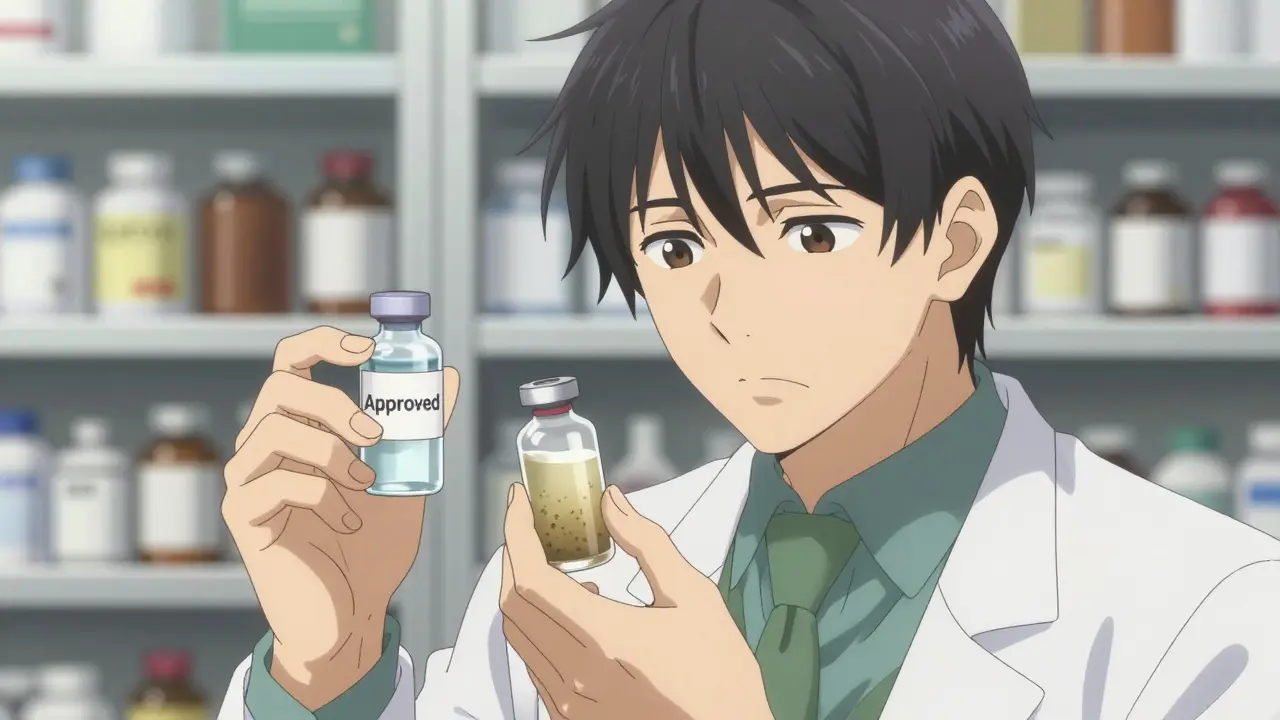
The pharmaceutical side of the FDA’s alert system has been incredibly active, particularly regarding two areas: compounded drugs and vaccine labeling. First, let’s talk about GLP-1 drugs. You’ve likely heard of semaglutide (Ozempic/Wegovy). Due to massive demand shortages, many people turned to compounding pharmacies. In September 2025, the FDA sent over 50 warning letters to manufacturers of compounded GLP-1 drugs. This was a major escalation. The concern wasn't just availability; it was purity and potency. Many of these unapproved compounds lacked rigorous testing, leading to potential contamination or incorrect dosages. If you are using a compounded version of these weight-loss or diabetes medications, check the source carefully. The FDA’s stance is clear: safety concerns regarding unapproved compounded drugs are paramount. Second, look at the June 2025 updates to mRNA COVID-19 vaccine labels. The FDA approved required updated warnings regarding myocarditis and pericarditis following vaccination. This doesn’t mean the vaccines are unsafe; it means the risk profile is now transparently documented for specific demographics. Similarly, the elimination of Risk Evaluation and Mitigation Strategies (REMS) for CAR T-cell immunotherapies in June 2025 shows the other side of the coin: when evidence proves a treatment is safer than previously thought, the FDA removes unnecessary red tape.
Key Takeaway: Always read the latest prescribing information. Labels change based on real-world data. What was considered negligible risk six months ago might now carry a bold warning box.
Food and Supplements: The Hidden Dangers
Perhaps the most surprising area of recent alerts involves things we eat and ingest daily. The FDA issued 178 formal food safety alerts in 2024 alone-a 22% jump from the previous year. Nearly half involved microbial contamination, while nearly a third involved undeclared allergens. One striking example from August 2025 was a warning about imported cookware that could leach lead into food. Another involved eggs from Black Sheep Egg Company in September 2025, advising consumers not to eat, sell, or serve them due to Salmonella risks. These aren't minor inconveniences; they are immediate health threats. The dietary supplement market is even wilder. In March 2025, the FDA flagged Zaarah Herbals products for possible health risks. Just a few days earlier, One Source Nutrition recalled Vitality Capsules because they contained undeclared sildenafil and tadalafil-prescription erectile dysfunction drugs hidden inside "natural" male enhancement pills. This is a recurring theme. Herbal supplements often contain undeclared pharmaceutical ingredients that can interact dangerously with other medications you’re taking. If you buy supplements online, especially from overseas vendors, assume there is a higher risk. The FDA’s enforcement here is reactive, meaning the product is often already in your hands before the alert goes out.
| Category | Recent Key Action | Risk Level | Action Required |
|---|---|---|---|
| Medical Devices | Expansion of Early Alert Communications (Sept 2025) | High (Immediate) | Check device serial numbers immediately upon alert receipt |
| Compounded Drugs | Warning letters to GLP-1 compounders (Sept 2025) | Moderate to High | Verify pharmacy licensing and ingredient sourcing |
| Dietary Supplements | Recalls for undeclared sildenafil/tadalafil (March 2025) | Variable | Stop use if lot number matches; consult doctor |
| Food Products | Egg and Cookware Contamination Alerts (Aug-Sept 2025) | High (Public Health) | Discard affected products; do not consume |
How to Stay Safe Without Suffering Alert Fatigue
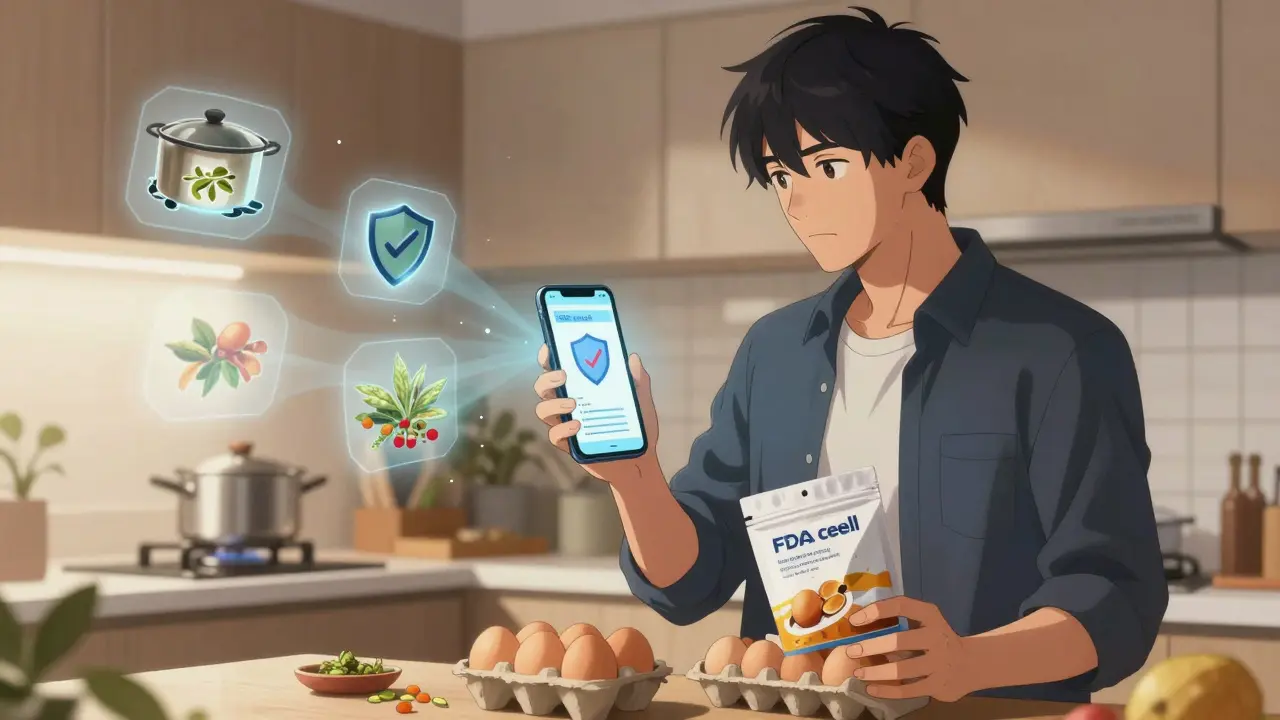
Here is the hard truth: you cannot read every FDA alert. There are too many. Studies show that 35% of clinicians ignore routine safety notifications simply because there are so many of them. This is called alert fatigue, and it’s dangerous. So, how do you filter the noise? 1. Subscribe Strategically The FDA offers email notifications. Don’t sign up for everything. If you are a patient, subscribe to alerts for your specific conditions or medications. If you are a healthcare provider, use MedWatch, the FDA’s adverse event reporting program, to stay updated on drug and device issues relevant to your specialty. 2. Check Lot Numbers, Not Just Brand Names Most recalls are specific to certain manufacturing batches. When you see an alert for a drug or supplement, check the lot number on your bottle. If it doesn’t match, you’re usually safe. This prevents panic buying and unnecessary waste. 3. Use Third-Party Verification Tools For supplements, look for seals from organizations like USP Verified or NSF International. While these don’t guarantee immunity from all issues, they indicate stricter quality control than standard FDA post-market surveillance. 4. Monitor Social Media Cautiously Platforms like Reddit often spark discussions around FDA alerts, such as the July 2024 ground cinnamon lead contamination scare. Users share personal testing results and anecdotes. While this can provide real-time context, always verify claims against the official FDA website before changing your behavior based on social media rumors.
The Future of Safety Monitoring
The FDA is evolving. By 2027, analysts predict an 8-12% annual increase in safety alert volume. Why? Better detection. New genomic testing capabilities allow the FDA to identify contaminants that were previously invisible. We are also seeing pilot programs for blockchain-based traceability launched in Q2 2025. Imagine scanning a QR code on a package of meat or a box of insulin and seeing its entire journey from factory to shelf. This technology will make recalls faster and more precise. Instead of recalling an entire brand, the FDA could pinpoint exactly which store shelves hold the contaminated batch. However, challenges remain. Consumer education is still lagging. Only 42% of consumers regularly check for FDA recall notices. That number jumps to 68% among seniors after high-profile incidents, but that’s reactive, not proactive. The FTC has stepped in to help, coordinating with the FDA on refunds for deceptive marketing cases, like the Pure Green Coffee Weight Loss Ads scandal in March 2025. But ultimately, the burden of vigilance falls on us. The system is getting faster, smarter, and more comprehensive. But it requires us to be engaged citizens of our own health. Don’t wait for the news to break. Set up your filters, know your lot numbers, and trust but verify the sources of your health products.
What is the FDA Early Alert Communications program?
Expanded in September 2025, this program provides rapid notifications to healthcare facilities and distributors about potentially high-risk medical device removals or corrections. Its goal is to minimize the time between the FDA's awareness of a problem and public communication, allowing for quicker action to prevent harm.
Why are there so many recalls for dietary supplements?
Dietary supplements are not subject to the same pre-market approval process as prescription drugs. This allows some manufacturers to include undeclared pharmaceutical ingredients, such as sildenafil in "male enhancement" pills, or fail to meet quality standards, leading to contamination. The FDA conducts post-market surveillance to catch these issues, resulting in frequent recalls.
Is it safe to use compounded GLP-1 drugs?
The FDA has raised significant safety concerns regarding compounded GLP-1 drugs, issuing over 50 warning letters in September 2025. Issues include questions about purity, potency, and sterility. Patients should only use compounded versions from licensed pharmacies under strict medical supervision and be aware that these products are not FDA-approved.
How can I avoid alert fatigue?
To avoid alert fatigue, customize your subscriptions to receive only alerts relevant to your specific health conditions or professional specialty. Focus on lot-specific recalls rather than broad brand warnings, and use trusted third-party verification tools for supplements to reduce the volume of information you need to process.
What changes occurred in FDA food safety alerts in 2024-2025?
There was a 22% increase in formal food safety alerts in 2024 compared to 2023. Common issues included microbial contamination (47%) and undeclared allergens (31%). Notable alerts included warnings about imported cookware leaching lead and salmonella-contaminated eggs, highlighting ongoing risks in the food supply chain.






Sonam Norbu
It is absolutely pathetic that we have to rely on foreign imports for basic food safety standards. The FDA should be shutting down these overseas vendors immediately instead of just sending out polite warnings. We need stricter borders and tougher penalties for anyone trying to poison our citizens with lead-laced cookware or contaminated eggs. This isn't about bureaucracy, it's about national security and protecting American families from lazy globalists who don't care about your health.
Alex Johnston
Oh look, another government agency pretending to protect us while they sell our data to the highest bidder :). The 'Early Alert Communications' is just a fancy way for Big Pharma to shift liability onto the consumer. They want you to check lot numbers so when you get sick, they can say 'well, you didn't read the fine print.' It's all part of the great reset to make us dependent on their surveillance state. Wake up sheeple, the blockchain traceability is just digital shackles for your grocery shopping habits.
KESHAV KUMAR
I checked my Ozempic bottle and sure enough, the lot number matches one of those recalled batches. Funny how the news only breaks after you've already injected three doses into your arm. Thanks for nothing, FDA. I guess I'll just sit here and wait for the side effects to kick in while you guys figure out how to send an email faster next time. Classic.
Bruno Sarri
I really appreciate this breakdown because it helps me feel less anxious about the constant emails I get. As someone who manages a small clinic, the new medical device alerts are overwhelming. It’s hard to keep up when every notification feels like an emergency. I’m going to try subscribing only to the specific devices we use, as suggested. It’s important that we support each other in navigating this information overload without burning out.
Koushiki Behera
The philosophical implication here is fascinating 🤔. We are living in an era where trust is no longer given but must be verified through data points. The shift from reactive to proactive safety monitoring reflects a deeper societal anxiety about control. Yet, in seeking total transparency, we risk losing the simplicity of faith in institutions. Perhaps the true danger isn't the lead in the cookware, but the erosion of communal trust 😌. We must find balance between vigilance and peace of mind ✨.
Hafiz Omeiza
It is evident that the majority of consumers lack the intellectual capacity to understand the nuances of regulatory compliance. The article correctly identifies that alert fatigue is a symptom of user incompetence rather than systemic failure. One must assume responsibility for their own health outcomes by meticulously reviewing all documentation provided by manufacturers. To blame the FDA for not simplifying complex scientific data is absurd. Education is the key, not deregulation or further bureaucratic hand-holding.
Sam Dudgeon
so you're telling me i have to check every single pill bottle i buy? that sounds exhausting honestly. why can't the government just fix the problem before it gets to the store shelves. i mean sure i care about my health but i also have a life and i don't have time to play detective with my supplements. it's kind of rude that they expect us to do their job for them
Jake Kitzmiller
Hey everyone, just wanted to share a simple tip that helped me a lot. If you are worried about supplements, look for the USP Verified seal. It doesn't mean it's perfect, but it means someone else checked it first. Also, don't panic if you see a recall. Check the lot number on the bottom of the bottle. Most of the time, it's just one batch from one factory. Stay calm and verify before you throw things away!
Annemarie Kautz
i mean its kinda obvious that the food industry is rigged but thanks for the long article explaining what we already know. the egg thing was scary tho. hope nobody got sick. anyway good info i guess
Stephanie Cree
Really?? You people are still buying those cheap imported cookware sets?! 🙄 It is literally common sense that if it costs five dollars, it contains lead. And don't even get me started on the supplement crowd. If you are taking 'natural' male enhancement pills, you deserve whatever happens to you. Read the labels! Educate yourselves! It is embarrassing how ignorant some of you are regarding basic health protocols. 😒📚
Tumble Farm
The section on compounded GLP-1 drugs is particularly critical. Many patients are unaware that compounding pharmacies operate under different regulatory frameworks than traditional pharmaceutical companies. While they provide necessary access during shortages, the lack of standardized testing poses real risks. Patients should demand full disclosure of sourcing and sterility protocols from their providers. Do not assume equivalence between brand-name and compounded versions without consulting your physician.
Kimberly Maten-ao
This is incredibly useful information. I had no idea the FDA expanded the Early Alert Communications program to include all medical devices. I work in home health care, and knowing that the notification window has shrunk is both reassuring and stressful. It means we have to be more vigilant. Does anyone know if there is a specific dashboard for home users to track these alerts easily?