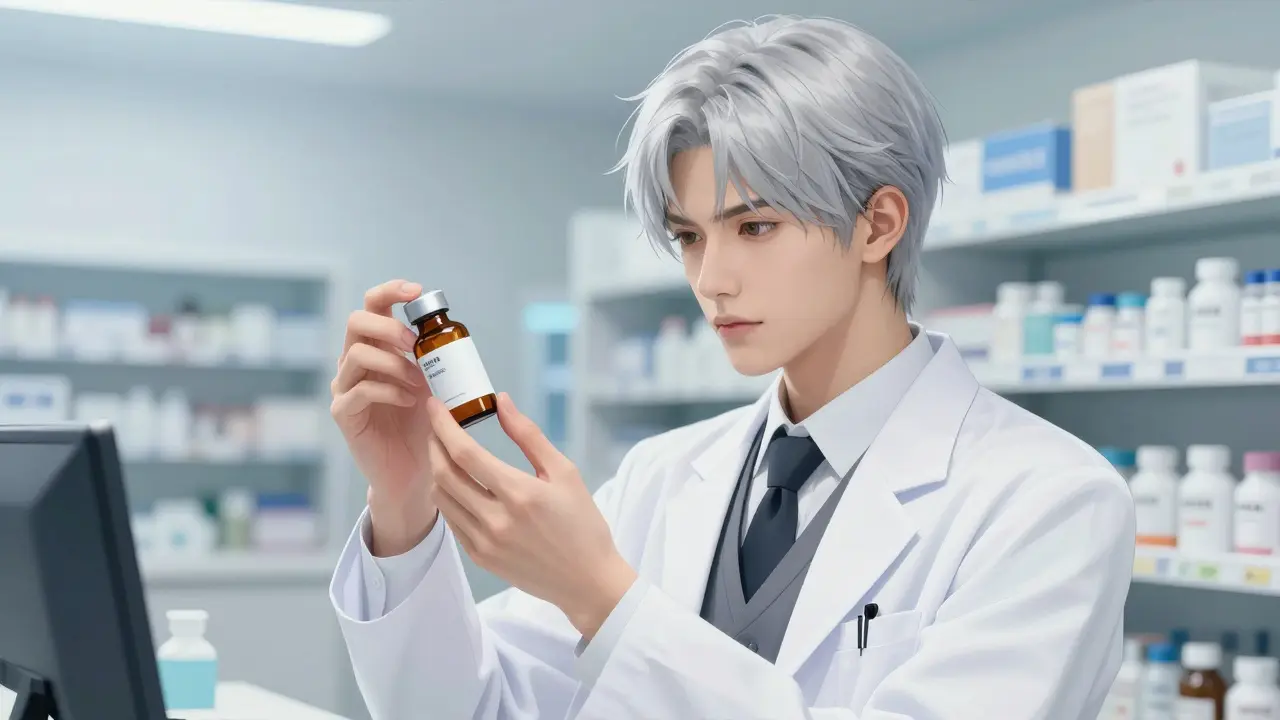
You probably don't think twice about it when your generic medication arrives in a cardboard box at your doorstep. It's convenient, usually cheaper, and for most of us, it works exactly like the brand-name version. But have you ever wondered if that pill sitting in a delivery truck during a 95°F July afternoon is still as effective as it was in the pharmacy? This is where mail-order pharmacy generic practices is a set of specialized procedures and quality assurance systems used by pharmacies that dispense generic medications via postal delivery come into play. It's not just about putting pills in an envelope; it's a high-stakes game of temperature control and regulatory compliance designed to ensure the drug that reaches you is safe and potent.
The Foundation of Generic Quality
To understand why mail-order generics are reliable, we have to look at the rules they follow. Most of these practices are rooted in the Hatch-Waxman Act, which created the roadmap for generic drugs in the US. Today, about 90% of prescriptions filled through mail-order channels are generics. The goal is simple: give you the same therapeutic effect as the brand name but at a fraction of the cost-usually 80-85% cheaper.
But "same effect" isn't just a guess. The FDA enforces strict bioequivalence standards. For a generic to be approved, the ratio of its absorption (AUC) and peak concentration (Cmax) must fall within a tight window of 80-125% compared to the brand. In reality, most variations are within 4%. Whether you pick up your meds at a corner store or get them in the mail, the chemical standard is the same.
How Mail-Order Facilities Beat Retail Stores on Control
It might seem riskier to ship a drug across the country than to pick it up locally, but centralized mail-order hubs actually have an advantage: extreme environmental control. While a local retail pharmacy might have temperature swings of ±3°C, a professional mail-order facility typically keeps variations within ±1°C. This is crucial for sensitive drugs like levothyroxine, which can degrade if the environment isn't stable.
These facilities follow Current Good Manufacturing Practices (cGMP). This means they don't just set a thermostat and hope for the best. They use continuous monitoring systems that log data every 15 minutes. Most generics are stored between 20-25°C (68-77°F), while refrigerated items stay strictly between 2-8°C (36-46°F). If a freezer dips or spikes, the system flags it immediately.
| Feature | Mail-Order Pharmacy | Retail Pharmacy |
|---|---|---|
| Temperature Variance | ±1°C (High Precision) | ±3°C (Standard) |
| Verification Steps | High (Often double-verified via URAC) | Standard pharmacist check |
| Shipping Protection | Insulated/Phase-change materials (Up to 10 days) | Paper/Plastic bags (2-4 hours) |
| Accuracy Rate | ~99.98% (Barcode integrated) | Varies by location |
The Logistics of Staying Potent
The biggest challenge for mail-order pharmacies isn't the storage-it's the transit. A medication is only as good as its last mile. To fight this, top providers like Express Scripts and CVS Caremark use thermal mapping studies to ensure their shipping containers maintain the right temperature for at least 72 hours.
For high-risk biologics or insulin, they use phase-change materials-think of these as advanced cooling packs that don't just freeze and melt, but maintain a specific temperature range for up to 10 days. This is a massive leap over the simple bag you get at a retail counter. Furthermore, many pharmacies now use predictive analytics. They check the weather forecast for your zip code; if a heatwave is hitting Texas, they'll automatically upgrade your packaging to a more robust cooling solution.

Rigorous Verification and Accreditation
Accuracy in a mail-order setting is a different beast than in a retail shop. Because they handle such massive volumes, they rely on serialization. Every single generic is tracked using a National Drug Code (NDC) and scanned at four different points: receiving, picking, packing, and shipping. This redundancy is why some facilities hit a 99.98% accuracy rate.
Many of the best operations seek URAC Mail Service Pharmacy Accreditation. This isn't just a badge of honor; it's a grueling process that requires about 30% more quality checkpoints than standard practice. This includes mandatory double-verification for "high-alert" generics like warfarin. It also requires pharmacists to undergo specialized continuing education specifically on generic interchangeability to ensure you get the right equivalent every time.
The "Narrow Therapeutic Index" Problem
Is it always perfect? Not quite. There is a specific category of drugs called narrow therapeutic index (NTI) drugs. These are medications where a very small difference in dose or absorption can lead to a huge difference in how you feel or a dangerous side effect. Researchers at Stanford have pointed out that for drugs like levothyroxine, even the FDA's allowed 20% bioequivalence variation can be problematic for some sensitive patients.
Because of this, the FDA has stepped up monitoring for about 15 specific drug products. If you are on a critical-dose generic, your pharmacist might keep a closer eye on which specific manufacturer's generic you are receiving to ensure consistency. This is why some patients prefer to stay with one specific generic manufacturer (like Teva) rather than switching every refill.
Real-World Experiences and Pitfalls
If you look at patient forums, the sentiment is mostly positive. Most people find that their mail-order generics are identical in look and feel to retail versions. However, the "summer slump" is a real issue. There are documented cases of capsules becoming sticky or degraded when left in a mailbox in 95°F weather for several days. This highlights a gap: the pharmacy might ship the drug in a perfect cooler, but if the delivery driver leaves it in the sun for six hours, the quality can drop.
Another quirk is the waste factor. Unlike a retail store where you might return a wrong bottle, FDA rules prohibit mail-order pharmacies from restocking dispensed medications. This means about 7% of mail-order generics end up as waste, compared to only 2-3% in retail. It's a high price to pay for safety, but it ensures that no one ever receives a medication that was previously handled by another patient.
Looking Toward the Future
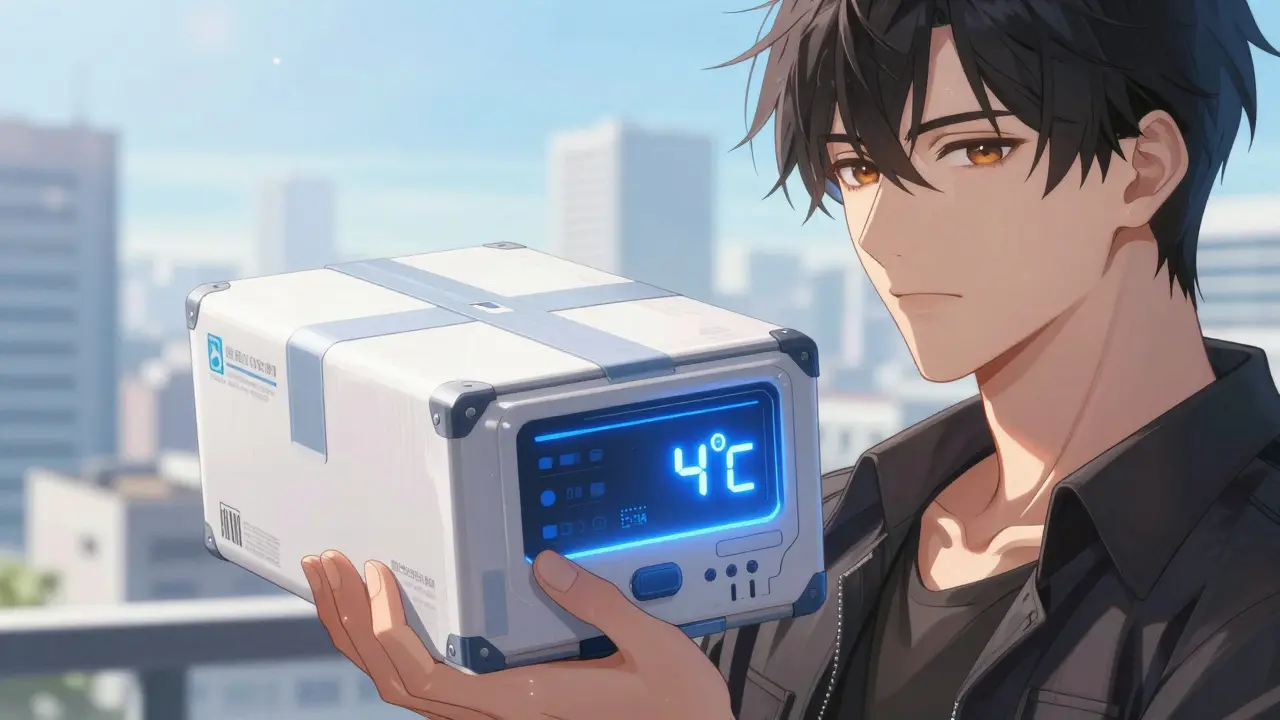
The industry is moving toward even more transparency. We are seeing the start of blockchain pilots to virtually eliminate counterfeit medications in the supply chain. The FDA's strategic plan for 2024-2028 also suggests that real-time GPS and temperature tracking might become mandatory for sensitive generics. Imagine getting a notification on your phone saying, "Your insulin has stayed at 4°C throughout the trip and is now at your door."
As climate change makes extreme weather more common, the pressure is on to develop packaging that can hold stability for 14 days instead of 7. While the risks of shipping are higher than picking up a bag at the store, the precision of the industrial-scale quality controls in mail-order hubs generally makes them a safer, more consistent bet for the average patient.
Are mail-order generics as good as those from a retail pharmacy?
Yes. The FDA requires the same bioequivalence standards for all generic drugs regardless of how they are dispensed. In many cases, mail-order pharmacies have superior temperature and humidity controls in their warehouses compared to smaller retail stores.
What happens if my medication gets too hot during shipping?
If you notice that capsules are sticky, tablets are crumbling, or a refrigerated item arrives warm, do not use the medication. Contact the pharmacy immediately. Most major providers have protocols to replace medications that suffered "temperature excursions" during transit.
What is URAC accreditation and why does it matter?
URAC is an independent health-quality organization. Their Mail Service Pharmacy Accreditation requires pharmacies to implement significantly more quality checkpoints, stricter temperature logging (96 data points per day), and specialized staff training, ensuring a higher level of safety than the legal minimum.
Can I switch between different generic brands in mail-order?
While generics are bioequivalent, some patients are sensitive to different fillers or dyes used by different manufacturers. If you find one specific generic works better for you, you can request that the pharmacy use a specific NDC (manufacturer), though this may depend on your insurance coverage.
How do mail-order pharmacies ensure the right drug goes to the right person?
They use a multi-point barcode scanning system. The medication is scanned when it's picked from the shelf, when it's packed, and when the shipping label is applied. This eliminates the human error associated with manually reading labels, resulting in accuracy rates as high as 99.98%.
Next Steps for Patients
- Check the Packaging: When your order arrives, immediately check for "cold chain" indicators or if the ice packs are still frozen for refrigerated items.
- Review Your List: If you take a narrow therapeutic index drug (like levothyroxine), notify your pharmacist that you want to maintain the same manufacturer across refills.
- Timing is Everything: If you live in an area with extreme summer heat, consider scheduling your refills for the beginning of the month to avoid the hottest weeks or request enhanced cooling packaging.
- Verify Accreditation: Ask your provider if they are URAC accredited to ensure they follow the highest possible industry quality standards.






Christopher Cooper
The move toward real-time GPS and temperature tracking for biologics is a game changer. It removes so much of the anxiety around waiting for a package during a heatwave. I wonder how the cost offsets will work out for the average consumer in the long run!
Ethan Davis
Sure, they have "precision controls," but you really think a giant corporation is just doing this for your health? It's all about cutting costs and consolidating power. They probably swap the high-quality stuff for the cheap filler whenever they think nobody's looking. Don't trust the barcodes.
Brady Davis
Oh wow, a 99.98% accuracy rate. Truly inspiring. I'm sure that 0.02% isn't actually a carefully curated list of people who just "disappeared" after taking the wrong pill. Absolute perfection, clearly.
Daniel Trezub
Actually, the bioequivalence window is a bit of a simplification. While 80-125% is the rule, the actual pharmacokinetics can vary wildly based on the excipients used in the generic version. I've seen cases where the active ingredient is fine, but the filler causes a stomach upset that makes the drug feel "different." Just my two cents, but the retail experience allows for a quick switch if that happens.
Windy Phillips
It is truly exhausting to see people blindly trust these corporate shipping systems... Some of you act as if a cardboard box is a sacred vault!!! If you actually cared about your wellness, you would realize that the energy of a drug is altered by the chaotic transit of a postal truck... Clearly, the lack of mindfulness in the logistics chain is a tragedy!!!
jack hunter
who cares about the fda anyway. they just want us all on the same loop. the real questoin is why we need these drugs in the first place... probly just to keep us numb to the simulation. generic or brand name its all just a way to keep the system runing smooth.
Rupert McKelvie
It is really great to see the technology improving to keep us safe. This makes the whole process much more accessible for people living in remote areas who can't drive to a pharmacy every week.
Darius Prorok
The NDC is just a number. It doesn't mean the drug is good, it just means it's tracked. A lot of people don't get that. Tracking a bad drug doesn't make it a good drug.
dwight koyner
For those taking NTI drugs, I strongly suggest keeping a log of the manufacturer listed on your bottle. While bioequivalence is strict, individual chemistry varies. If you notice a change in your symptoms after a refill, please reach out to your provider to request a specific NDC. It is a small step that can prevent significant health setbacks.
Dhriti Chhabra
It is most commendable that such rigorous standards are maintained to ensure the wellbeing of the populace. The integration of blockchain technology for the prevention of counterfeit medications is a most welcome advancement in pharmaceutical safety.
Michael Flückiger
I totally agree with the push for better cooling!!! It's just common sense to protect the medicine we rely on!!! Keep pushing for those 14-day standards!!!
Ruth Swansburg
Keep it up! We can all make better choices for our health together!
Nikhil Bhatia
Too many words to say the mail is okay.
Jamar Taylor
You've got this! Just stay on top of your refill schedule and you'll be golden. Small steps lead to big health wins!
Stephen Luce
I can imagine how stressful it is to worry if your meds spoiled in the heat. It's a relief to know there are replacement protocols in place for those who experience temperature excursions. That kind of support really takes the edge off the anxiety of mail-order pharmacy use. It is a bit of a hassle to call it in, but the peace of mind is worth the effort. Most of us just want to know our treatment is actually working as intended. It's comforting to see the industry acknowledging the "last mile" problem and actually trying to fix it with better packaging. I've had one package arrive warm before, and honestly, the pharmacy was surprisingly helpful about shipping a new batch immediately. It's all about how they handle the mistake. The fact that they don't restock returned meds is a huge plus for safety, even if it means more waste. I'd rather have a wasteful system than a risky one any day. Just keep an eye on those ice packs when the box hits the porch!