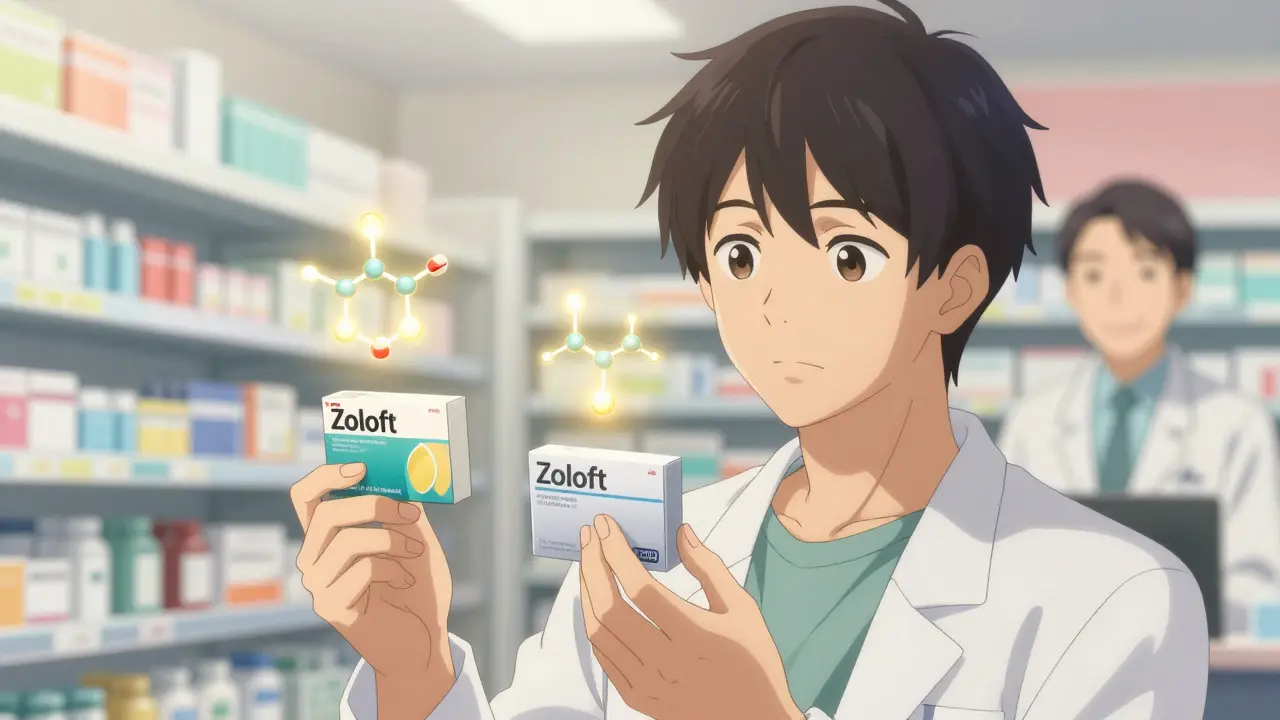
When you switch from a brand-name pill to a generic version, do you worry it might react badly with your other meds? It’s a real concern - especially if you’re on multiple drugs for conditions like depression, high blood pressure, or epilepsy. The truth is simpler than most people think: drug interactions depend almost entirely on the active ingredient, not whether the pill is branded or generic.
What Actually Causes Drug Interactions?
Drug interactions happen when one substance changes how another works in your body. That could mean a medication becomes too strong, too weak, or causes unexpected side effects. It’s not about the brand logo on the bottle. It’s about the chemical inside - the active pharmaceutical ingredient (API). If two pills contain the same API at the same strength, they’ll interact with other drugs in the same way.Take sertraline, for example. Whether it’s Zoloft (brand) or a generic version, the molecule floating in your bloodstream is identical. If you’re also taking warfarin, the interaction risk - increased bleeding - stays the same. The same goes for statins, antidepressants, seizure meds, and most other drugs.
Why Do People Think Generics Are Different?
The confusion comes from the extras. Generic drugs can have different fillers, dyes, or preservatives. These are called excipients. They don’t affect how the drug works, but they can cause problems for a small number of people.Imagine someone allergic to lactose. If their brand-name pill uses corn starch as a filler, but the generic uses lactose, switching could trigger bloating or diarrhea. That’s not a drug interaction - it’s a food sensitivity. The active ingredient isn’t changing how other meds behave; it’s just adding an irritant.
Another reason people notice differences is the nocebo effect. If you’ve been told generics are “inferior,” your brain might interpret normal side effects as something worse. A 2022 Consumer Reports survey found that 18% of people believed generics had higher interaction risks - but only 4% actually experienced different effects after switching.
The Science Says: No Real Difference in Interaction Risk
The U.S. Food and Drug Administration (FDA) requires generic drugs to prove they’re bioequivalent to the brand-name version. That means they deliver the same amount of active ingredient into your bloodstream at the same rate. The acceptable range? 80% to 125% of the brand’s levels. That sounds wide - but in practice, most generics fall within 5% of the original.A 2020 study in Scientific Reports tracked over 17,000 patients on generic vs. brand cardiovascular drugs. The results? People on generics had fewer heart attacks and deaths. Not because generics are stronger - but because more people stuck with their meds when they were cheaper. Better adherence means fewer dangerous interactions caused by missed doses or inconsistent use.
Looking at adverse event reports from 2015 to 2020, the FDA found generic drugs had a 0.82% rate of interaction-related reports. Brand-name drugs? 0.78%. The difference? Statistically meaningless.
When Might You See a Real Difference?
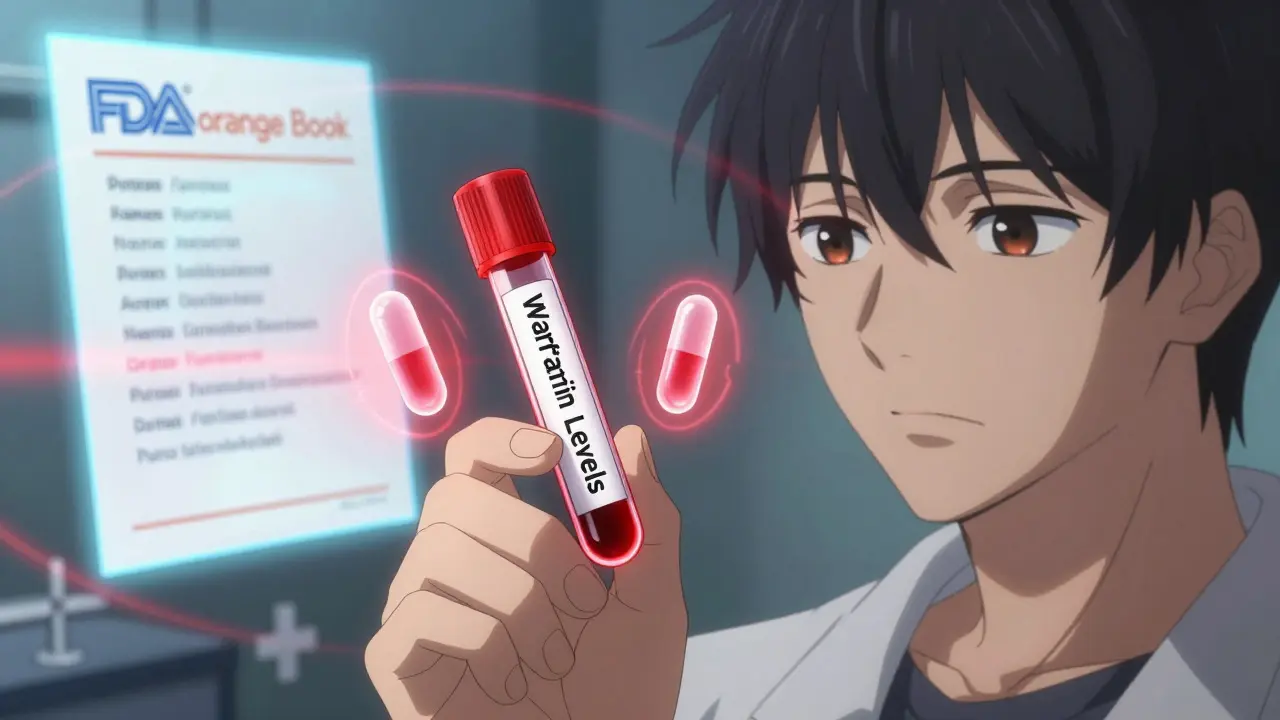
There are exceptions. For drugs with a narrow therapeutic index (NTI), even tiny changes in blood levels can matter. Think warfarin, lithium, phenytoin, or levothyroxine. For these, the FDA requires tighter bioequivalence standards - 90% to 111% - and pharmacists are trained to be extra cautious.Even then, the risk isn’t between brand and generic. It’s between different generic brands. If you switch from Generic A to Generic B, both of which are approved, you might get a slightly different absorption rate. That’s why doctors sometimes write “dispense as written” for NTI drugs - not because generics are unsafe, but because consistency matters.
One real-world example: a Reddit user reported increased drowsiness after switching from brand Ambien to generic zolpidem while on sertraline. The active ingredient didn’t change. But maybe the new generic used a different filler that slowed absorption slightly. Or maybe the user’s body was adjusting to a new coating that changed how fast the pill dissolved. These are edge cases - not the rule.
What Pharmacists Do When You Switch
At major hospitals like UCSF Medical Center, pharmacists check two things when a patient reports new side effects after a generic switch:- Is the active ingredient the same? (It should be)
- Are there new excipients that could cause irritation? (Lactose, gluten, dyes, etc.)
The FDA’s Orange Book now lists all inactive ingredients for every approved generic. Pharmacists can pull that up in seconds. If a patient has a known allergy or sensitivity, they can choose a generic without that filler - or stick with the brand if needed.
For most people, though? No change needed. Your pharmacist can swap your brand-name statin for a generic without touching your interaction profile.

Why This Matters for Mental Health
Many people on antidepressants, antipsychotics, or anti-anxiety meds worry about interactions with alcohol, supplements, or other prescriptions. The fear is real. But switching to a generic shouldn’t add to it.Take fluoxetine (Prozac). Whether it’s the brand or a $5 generic, it inhibits the same liver enzyme (CYP2D6). That means it will interact with tramadol, codeine, or beta-blockers the same way. The only thing that changes? Your wallet.
And cost matters. When people can’t afford their meds, they skip doses. That’s when dangerous interactions happen - not because of the pill’s label, but because their blood levels are all over the place. Generics help keep people on treatment. That’s the biggest safety win of all.
What You Should Do
Here’s what actually helps:- Keep a list of all your meds - including supplements and OTC drugs - and share it with every provider.
- If you switch to a generic and feel different, don’t assume it’s the drug. Talk to your pharmacist. They can check the excipients.
- Don’t stop taking your meds because you’re worried about generics. The risk of untreated illness is far greater.
- For NTI drugs (like warfarin or thyroid meds), stick with the same generic brand if possible. But don’t panic if you have to switch - just get your levels checked.
Bottom line: Your safety isn’t tied to the brand name. It’s tied to consistent use, proper dosing, and open communication with your care team. Generics aren’t a compromise. They’re a smart, safe choice - backed by decades of data and millions of patients.
Are generic drugs less safe than brand-name drugs when it comes to interactions?
No. Generic drugs contain the same active ingredient as brand-name drugs and are required by the FDA to be bioequivalent. Drug interactions depend on the active ingredient, not whether the drug is generic or brand. Studies show no meaningful difference in interaction rates between the two.
Can the fillers in generic drugs cause drug interactions?
Fillers (excipients) don’t cause drug interactions in the traditional sense - meaning they don’t change how your other medications work. But they can cause side effects like stomach upset or allergic reactions in sensitive individuals. For example, a generic containing lactose might bother someone who’s lactose intolerant. These are not drug interactions, but they can be mistaken for them.
Should I avoid switching to generics if I take multiple medications?
No. For most medications, switching to a generic is safe and often recommended. If you’re on a narrow therapeutic index drug like warfarin, lithium, or levothyroxine, your doctor may suggest sticking with the same brand or generic version for consistency. But even then, switching between approved generics is generally safe - just monitor for changes and get blood tests if needed.
Why do some people say their symptoms changed after switching to a generic?
Sometimes it’s the nocebo effect - expecting a problem makes you notice normal side effects more. Other times, it’s a change in excipients causing mild irritation, not a true interaction. Rarely, a slight difference in absorption rate might affect how quickly a drug kicks in. If you notice a change, talk to your pharmacist. They can check the formulation and help you decide whether to switch back or try a different generic.
Are generic drugs tested as thoroughly as brand-name drugs?
Brand-name drugs go through years of clinical trials with thousands of patients. Generics don’t need to repeat those trials. Instead, they must prove bioequivalence - that they deliver the same amount of active ingredient into the bloodstream at the same rate. This is a focused, scientifically valid process. The FDA considers generics just as safe and effective for their intended use.
What’s Next for Generic Drug Safety?
The FDA is investing $24 million through 2026 to study potential differences between multiple generic versions of the same drug - especially for complex medications like inhalers and injectables. This isn’t because generics are unsafe. It’s because as more companies make the same drug, small formulation differences can pile up. The goal? Keep everyone safe by catching rare edge cases early.For now, the message is clear: generics save lives by making treatment affordable. They don’t increase your risk of dangerous interactions. Your health isn’t determined by the label on the bottle - it’s determined by whether you take your medicine, when you take it, and whether you talk to your care team about changes.







Hilary Miller
Generics saved my life when I lost insurance. No weird side effects, just cheaper pills that work. Period.
Malik Ronquillo
bro i switched to generic sertraline and my brain felt like it was wrapped in wet socks for a week. guess what? it wasnt the drug it was my mind playing tricks. but still. scary.
Neil Ellis
Love how we treat meds like they’re designer handbags. ‘Oh no, this isn’t the *authentic* Zoloft!’ Nah fam - it’s the same molecule, same effect, same chance of making you feel like a human again. Generics are the unsung heroes of mental health. 🙌
shivani acharya
Ohhh so you’re telling me the FDA isn’t just a puppet for Big Pharma and the generic manufacturers are secretly smuggling in mind-altering fillers to make us docile?? 😏 I’ve been on 7 different generics for my anxiety and every time I switch, my dreams get weirder - like, ‘I was fighting a raccoon wearing a suit’ weird. Coincidence? Or is lactose the new LSD? 🤔 Also, why do all the generics taste like regret and chalk? I swear the one from India has a faint hint of diesel. Are they using the same factory as my neighbor’s weed grow? 👀
Sarvesh CK
The fundamental misunderstanding lies in equating pharmaceutical equivalence with perceptual consistency. While bioequivalence is scientifically established, the psychological and physiological experience of medication is not solely determined by active ingredient concentration. The ritual of ingestion - the pill’s size, color, texture, even the branding - plays a role in therapeutic expectation. This is not mere placebo; it is embodied cognition. To dismiss patient-reported changes as ‘nocebo’ is to overlook the embodied truth of lived experience. A pill is not merely a chemical vessel - it is a symbol of care, continuity, and identity. When that symbol shifts, even if the chemistry does not, the body may respond accordingly. Perhaps the solution is not to convince patients they are wrong, but to honor their phenomenological reality while ensuring safety through transparency in excipients.
Brenda King
My grandma switched to generic levothyroxine and her TSH went haywire. She didn't panic, she called her pharmacist. They checked the brand, switched her back to the same generic she was on before. Fixed. No drama. Just smart. 😊
Margaret Khaemba
Wait so if I’m allergic to red dye #40 and my brand pill uses blue #1 but the generic uses red… does that mean I can’t take ANY generic? Or is there a database I can check before I swallow something that turns my tongue into a firework? 🤯
Daphne Mallari - Tolentino
It is regrettably evident that the commodification of pharmaceuticals has led to a dangerous erosion of clinical nuance. To suggest that bioequivalence obviates the need for brand fidelity is to ignore the meticulous science behind formulation stability, dissolution kinetics, and patient-specific pharmacokinetic variance. One cannot reduce therapeutic outcomes to mere molecular identity. The integrity of the pharmaceutical supply chain is not a matter of cost efficiency - it is a matter of bioethical responsibility.
Keith Helm
Per FDA guidelines, generic manufacturers must submit ANDA documentation demonstrating bioequivalence. All inactive ingredients are publicly listed in the Orange Book. Pharmacist consultation is recommended when switching NTI drugs. No further action required.