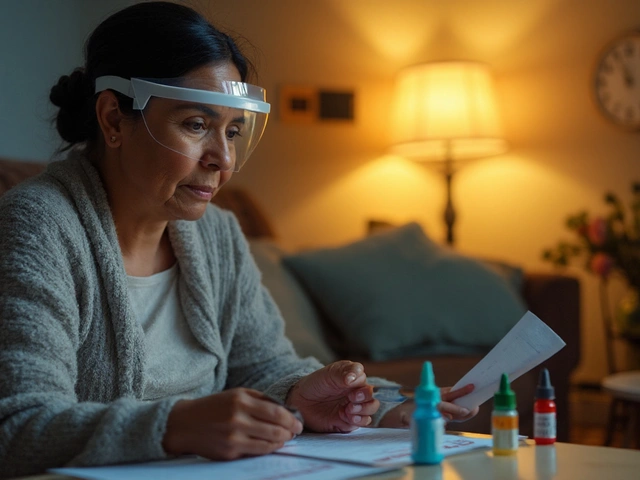
Worrying about everything from your finances to your health can feel like a full-time job you never applied for. If this sounds familiar, you might be dealing with Generalized Anxiety Disorder, or GAD. It is not just normal stress; it is a persistent state of excessive worry that lasts for at least six months and interferes with daily life. According to the Diagnostic and Statistical Manual of Mental Disorders (DSM-5), GAD affects millions of people, with women being twice as likely to develop it as men.
The good news? You do not have to live with it. There are three main pillars of treatment: Selective Serotonin Reuptake Inhibitors (SSRIs), Benzodiazepines, and Cognitive Behavioral Therapy (CBT). Each works differently, has its own timeline, and carries specific risks. Choosing the right path depends on your symptoms, your lifestyle, and what you want from your recovery.
Understanding the Core Treatments
To make an informed decision, you need to understand how these treatments actually work in your body and mind. They are not interchangeable tools; they serve different purposes in managing anxiety.
Selective Serotonin Reuptake Inhibitors, commonly known as SSRIs, are medications that increase the level of serotonin in your brain. Serotonin is a neurotransmitter that helps regulate mood. Drugs like escitalopram (Lexapro) and sertraline (Zoloft) are frequently prescribed because they address the root chemical imbalance associated with anxiety. However, they are not instant fixes. It typically takes two to six weeks to feel any benefit, and up to twelve weeks for the full effect. This delay requires patience, but the long-term safety profile is strong.
Benzodiazepines, such as alprazolam (Xanax) and lorazepam (Ativan), work much faster. They enhance the effect of gamma-aminobutyric acid (GABA), a calming neurotransmitter in the brain. Many patients report feeling relief within thirty to sixty minutes. While this speed is appealing during a panic attack, benzodiazepines carry significant risks of dependence and tolerance. Your body gets used to them quickly, often requiring higher doses to achieve the same effect. For this reason, clinical guidelines generally recommend them only for short-term use or as a bridge while waiting for SSRIs to kick in.
Cognitive Behavioral Therapy, or CBT, is a structured form of psychotherapy. Unlike medication, which changes your chemistry, CBT changes your thinking patterns. Developed from the work of Aaron Beck, it teaches you to identify catastrophic thoughts and challenge them with evidence. A typical course involves twelve to twenty weekly sessions. The goal is not just to reduce symptoms but to equip you with skills that last a lifetime. Studies show that while medication treats symptoms, CBT provides superior relapse prevention.
Comparing Effectiveness and Side Effects
When weighing these options, effectiveness and side effects are the biggest factors. Here is how they stack up based on recent clinical data and patient experiences.
| Treatment Type | Time to Relief | Primary Mechanism | Key Risks/Side Effects | Long-Term Viability |
|---|---|---|---|---|
| SSRIs | 2-6 weeks | Inhibits serotonin reuptake | Nausea, sexual dysfunction, initial jitteriness | High; safe for chronic use |
| Benzodiazepines | 30-60 minutes | Enhances GABA activity | Dependence, withdrawal, memory issues, drowsiness | Low; risk of tolerance increases over time |
| CBT | 4-12 weeks (gradual) | Cognitive restructuring & exposure | Temporary increase in anxiety during exposure exercises | Very High; low relapse rate post-treatment |
A 2024 systematic review found that while benzodiazepines are more effective than placebo for immediate symptom reduction, they are not more effective than antidepressants for long-term management. In fact, SSRIs show better durability at six months. CBT demonstrates equivalent efficacy to medication at the end of treatment but significantly better sustained effects at twelve-month follow-ups. The relapse rate after stopping SSRIs is around 45%, whereas it drops to 25% after completing CBT.
Side effects also play a major role in adherence. About 47% of patients on SSRIs experience sexual dysfunction, which can lead to discontinuation. Benzodiazepines cause drowsiness in 84% of users and memory problems in nearly half. CBT has no physical side effects, though it requires active effort. Homework compliance-practicing techniques between sessions-is crucial. Patients who complete their homework are 2.3 times more likely to achieve remission.

Real-World Experiences and Patient Perspectives
Statistics tell one story, but lived experiences add nuance. On platforms like Reddit’s r/Anxiety community, thousands of users share their journeys. Positive feedback for benzodiazepines often centers on "immediate relief during panic attacks" and the ability to function during critical life events. However, negative threads frequently highlight dependence after just three months and withdrawal symptoms that some describe as worse than the original anxiety.
For SSRIs, user reviews on sites like Drugs.com show mixed results. Escitalopram, for example, has a high rating for effectiveness but notable complaints about nausea and emotional blunting. Many patients appreciate that SSRIs allow them to sleep and think clearly without the "zombie" feeling sometimes associated with benzodiazepines.
CBT receives particularly positive feedback regarding empowerment. Patients often cite the "high initial anxiety" during exposure exercises as challenging but rewarding. The sense of gaining control over one’s mind is a powerful motivator. However, accessibility remains a barrier. With out-of-pocket costs ranging from $100 to $150 per session, and a shortage of licensed therapists, many patients struggle to access consistent care.

How to Choose the Right Path for You
There is no one-size-fits-all solution. Your choice should depend on your specific situation, severity of symptoms, and personal preferences.
- Start with SSRIs if: You have moderate to severe anxiety that persists daily, you have comorbid depression (which occurs in 60% of GAD cases), and you are willing to wait a few weeks for results. They are the standard first-line treatment recommended by the American Psychiatric Association.
- Consider Benzodiazepines if: You are experiencing acute crisis, such as severe panic attacks or insomnia that prevents functioning, and you need immediate relief while starting another treatment. Use them strictly under medical supervision for short periods (2-4 weeks).
- Prioritize CBT if: You prefer non-pharmacological approaches, you want to learn coping skills for the long term, and you have the resources (time and money) to commit to weekly therapy. It is especially effective for preventing relapse.
- Combine Approaches: Many experts advocate for integrated care. Starting an SSRI for chemical balance while engaging in CBT to build mental resilience can yield the best outcomes. Recent studies show combined treatment leads to higher remission rates (65%) compared to monotherapy (48%).
Practical Steps for Implementation
If you decide to move forward, here is how to navigate the process effectively.
- Consult a Specialist: Start with a psychiatrist or primary care provider for medication evaluation. For CBT, look for therapists certified by organizations like the Academy of Cognitive and Behavioral Therapies.
- Be Honest About History: Share your history with substances, previous medication trials, and family mental health history. This helps avoid adverse reactions.
- Monitor Side Effects: Keep a journal. Track your anxiety levels, sleep quality, and any side effects. This data is invaluable for adjusting doses or switching treatments.
- Commit to the Process: Whether it is taking pills daily or doing CBT homework, consistency is key. Do not stop SSRIs abruptly, as this can cause withdrawal. Similarly, do not skip therapy sessions.
- Explore Digital Options: If traditional therapy is inaccessible, consider FDA-cleared digital therapeutics like Woebot or SilverCloud. These apps deliver CBT principles via smartphone and can be a helpful supplement.
Remember, treating Generalized Anxiety Disorder is a journey, not a sprint. It may take trial and error to find the right combination. But with the right support and evidence-based strategies, you can regain control of your life.
How long does it take for SSRIs to work for anxiety?
SSRIs typically take 2 to 6 weeks to start showing noticeable benefits for anxiety symptoms. Full therapeutic effects may take up to 12 weeks. Patience is crucial during this initial period, as side effects like nausea or jitteriness may occur before the calming effects begin.
Are benzodiazepines safe for long-term use?
Generally, no. Clinical guidelines recommend benzodiazepines for short-term use (2-4 weeks) due to risks of dependence, tolerance, and cognitive impairment. Long-term use can lead to neuroadaptive changes, making withdrawal difficult. They are best reserved for acute crisis management.
Is CBT more effective than medication for GAD?
CBT and medication are similarly effective at reducing symptoms in the short term. However, CBT is superior for long-term maintenance and relapse prevention. After stopping treatment, patients who completed CBT have a lower relapse rate (25%) compared to those who stopped medication (45%).
Can I combine CBT with SSRIs?
Yes, combining CBT and SSRIs is often considered the gold standard for moderate to severe GAD. Integrated care models show higher remission rates (65%) compared to using either treatment alone. The medication helps stabilize mood, allowing you to engage more effectively in therapy.
What are the common side effects of SSRIs?
Common side effects include nausea, headache, sleep disturbances, and sexual dysfunction (affecting about 47% of users). Most physical side effects subside after a few weeks. If sexual dysfunction persists, doctors may adjust the dose or switch to a different medication with a lower risk profile.
How many CBT sessions do I need?
A standard course of CBT for GAD typically involves 12 to 20 weekly sessions, each lasting 50 minutes. Consistency and completing between-session homework are critical for success. Some patients may require booster sessions after the initial course to maintain gains.