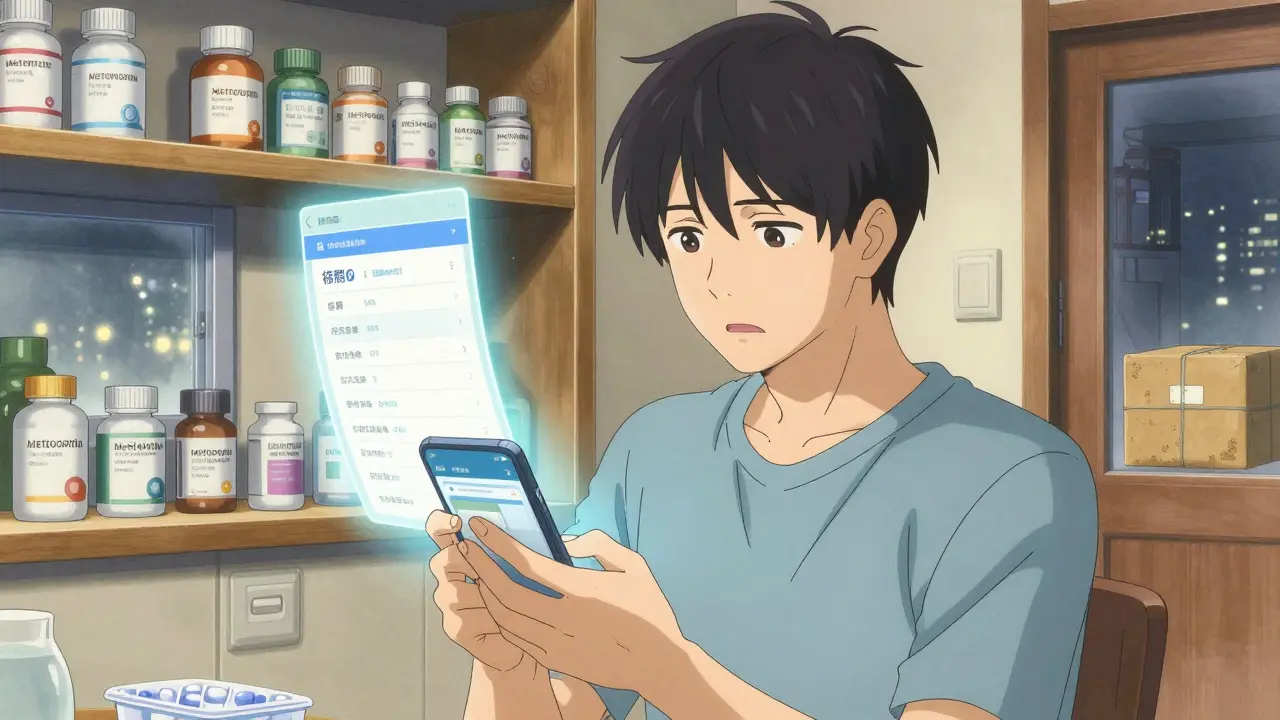
When you need a monthly medication like metformin, lisinopril, or atorvastatin, you might think buying it from an online pharmacy is the easiest way to save money. But here’s the catch: insurance coverage for online pharmacy generics isn’t the same everywhere. Some sites accept your insurance directly. Others don’t. And some might look cheaper until you realize your copay at a local pharmacy is actually lower. Knowing how this system works can save you hundreds a year-or stop you from getting stuck with a bill you didn’t expect.
How Insurance Handles Generic Drugs
Most health plans in Australia and the U.S. use something called a formulary. That’s just a fancy word for the list of drugs your insurance will pay for. Generic drugs are almost always in the lowest tier because they cost less. That means your out-of-pocket cost is usually a flat copay: $5 for a 30-day supply, $10 for 90 days. These prices are locked in if you use a pharmacy in your plan’s network. But here’s what most people don’t realize: your insurance doesn’t cover every online pharmacy. Only those connected to your Pharmacy Benefit Manager (PBM)-like Express Scripts, CVS Caremark, or Optum Rx-can process claims directly. If you order from an independent site like a random Amazon alternative or a foreign pharmacy, your insurance won’t pay a cent. You’ll pay full price and then try to get reimbursed, which is messy, slow, and often not worth it.Mail-Order vs. Independent Online Pharmacies
There’s a big difference between mail-order pharmacies and regular online stores. Mail-order services are part of your insurance plan. You get a 90-day supply, pay your $10 copay, and it ships to your door in about a week. It’s designed for maintenance meds-things you take every day, like blood pressure or diabetes drugs. Independent online pharmacies? They’re like Amazon for pills. Some accept insurance. Most don’t. Some let you upload your insurance card and hope for the best. Others just take credit cards and say nothing about coverage. If you’re not careful, you could end up paying $40 for a drug that costs $8 with your insurance. And if something goes wrong-like a delayed shipment or wrong dosage-you’re on your own. No customer service line tied to your insurer. No nurse to call. No guarantee it’s even the right medication.When a Generic Isn’t Cheaper Than Insurance
You might hear that Walmart or Costco sells generics for $10 for 90 days. That’s true. But here’s the twist: if your insurance copay is $5 for the same drug, you’re better off using your plan. The problem comes when you have a high-deductible plan. If you haven’t met your deductible yet, your insurance isn’t paying anything. That’s when the $10 at Walmart looks better. But even then, there’s a catch. If you buy from Walmart, you’re not using your insurance. That means those payments don’t count toward your deductible. You’re paying out of pocket, but you’re not getting any closer to when your insurance starts covering more. If you’re on a chronic condition like diabetes or hypertension, it’s smarter to use your insurance network-even if it costs a few dollars more-so your spending counts toward your out-of-pocket maximum.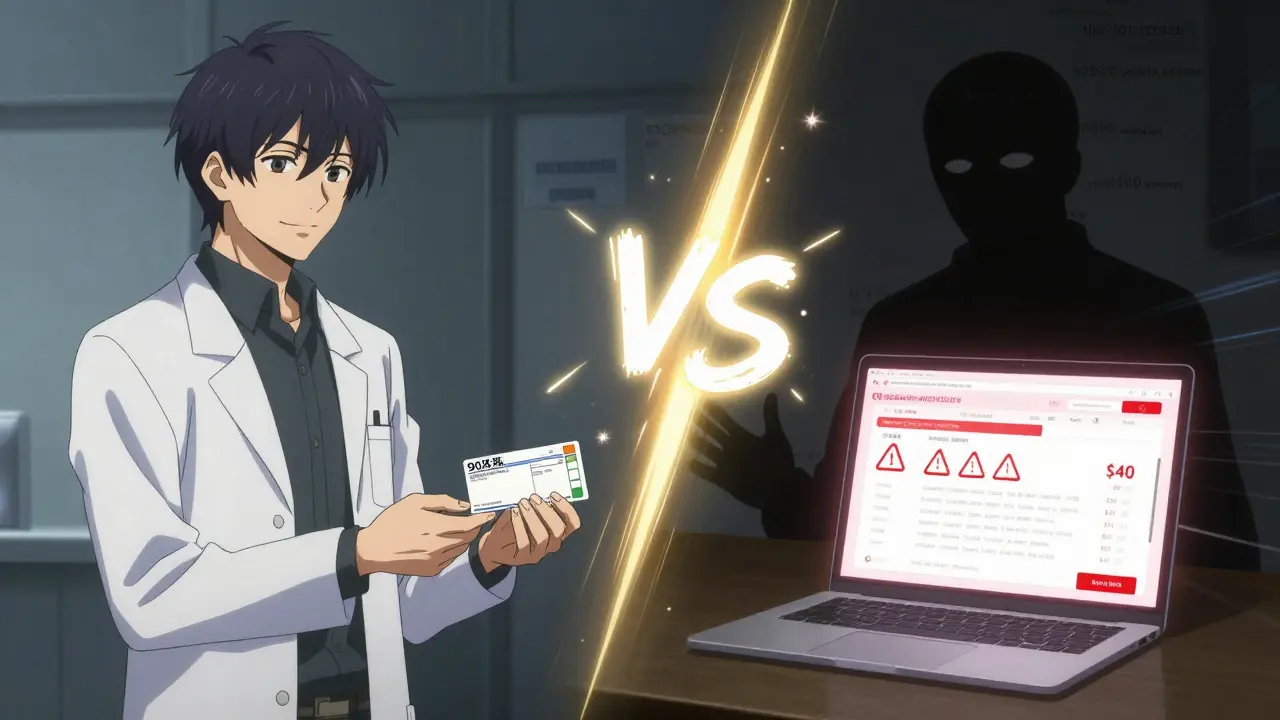
Non-Medical Switching: When Your Insurance Changes Your Prescription
You’ve been taking a brand-name drug for years. Your doctor says it works. Then one month, your refill comes as a generic you’ve never heard of. No warning. No call. That’s non-medical switching-and it’s becoming standard. Insurers do it to cut costs. They’ll drop the brand from their formulary entirely, or make the copay so high ($150+) that you’re forced to switch. This isn’t always safe. For some conditions-like epilepsy, thyroid disorders, or mental health meds-switching to a generic can cause side effects. One patient with multiple sclerosis reported severe reactions after her insurer switched her from Copaxone to a generic without telling her. She ended up in the ER. If you’ve had issues with generics before, you have rights. You can ask your doctor to file a prior authorization request, explaining why the brand is medically necessary. Your insurer has to review it. Don’t assume you’re stuck with whatever they send.How to Check Your Coverage Before You Order
Don’t guess. Don’t assume. Always check. First, log into your insurer’s member portal. Look for a tool called “Check Drug Cost” or “Formulary Search.” Type in the exact name of your drug. It’ll tell you:- Is it covered?
- What tier is it on?
- What’s your copay at a network pharmacy?
- Is mail-order available?
- Are there preferred generics?
What About Amazon Pharmacy’s RxPass?
Amazon RxPass is a new model. For $5 a month, Prime members get unlimited access to over 100 common generic medications. No copays. No insurance needed. It’s great if you take a few regular meds like metformin, levothyroxine, or atorvastatin. But here’s the fine print: it doesn’t cover everything. If your drug isn’t on their list, you pay full price. And if you need something urgent-like an antibiotic or a new prescription-you can’t get it the same day. Delivery takes 3-5 days. It’s not a replacement for insurance. It’s a supplement. And if you’re not a Prime member, it’s not worth it. The $14.99 monthly fee for Prime makes the $5 RxPass fee feel like a bonus, not a deal.
What to Do If Your Insurance Denies Coverage
If your plan denies coverage for a generic-or refuses to cover your brand drug-you have options. First, ask your pharmacist. They often know about patient assistance programs or coupons you didn’t know existed. Many manufacturers offer free or discounted meds to people who qualify. Second, file an appeal. Your insurer has to give you a written reason for denial. Your doctor can write a letter explaining why the drug is medically necessary. You’re not fighting the system-you’re just asking them to follow the rules. Third, use GoodRx or SingleCare. These aren’t insurance. But they’re pharmacy discount cards that often beat insurance copays. You don’t need to be insured to use them. Just show the coupon at the counter.Real Stories: What People Are Actually Paying
One user on Reddit said: “I pay $10 for 90 days of metformin through mail-order. My local CVS charges $15 with the same insurance. I save $20 a month just by switching.” Another said: “I switched to Amazon RxPass for my lisinopril and simvastatin. I was paying $42 a month through insurance. Now I pay $5. But my thyroid med isn’t covered, so I still use GoodRx for that.” A third shared: “My insurer switched me from a brand-name heart med to a generic. I got dizzy, nauseous, and my blood pressure spiked. I had to fight for three weeks to get my original drug back. Don’t let them push you around.” These aren’t rare cases. They’re everyday experiences.Final Checklist: Before You Click ‘Buy’
- ✅ Check your insurer’s formulary for your drug
- ✅ Confirm the online pharmacy is in your plan’s network
- ✅ Compare your insurance copay to cash prices (Walmart, GoodRx)
- ✅ Call the pharmacy to verify insurance acceptance
- ✅ Ask your doctor if you need a 90-day script for mail-order
- ✅ Know your rights-if a switch causes side effects, you can appeal
Do all online pharmacies accept insurance?
No. Only pharmacies connected to your insurance plan’s Pharmacy Benefit Manager (PBM) can process claims. Most independent online pharmacies don’t accept insurance at all. Always call ahead to confirm.
Is a generic drug always cheaper than the brand name?
Usually, yes-but not always through insurance. Sometimes, the cash price at Walmart or Costco is lower than your insurance copay, especially if you haven’t met your deductible. Always compare both options.
Can I get my insurance to cover a brand-name drug if the generic doesn’t work for me?
Yes. Your doctor can file a prior authorization request, explaining why the generic caused side effects or didn’t control your condition. Insurers must review these requests. Don’t accept a switch without asking.
What’s the difference between mail-order and online pharmacies?
Mail-order pharmacies are part of your insurance plan’s network and require a 90-day prescription. They offer lower copays and deliver to your home. Independent online pharmacies operate like regular e-commerce sites-they may or may not accept insurance, and delivery times vary.
Is Amazon RxPass worth it?
Only if you’re a Prime member and take at least two medications on their list of 100+ generics. For $5/month, it’s cheaper than most copays. But it doesn’t cover all drugs, and delivery takes days-so it’s not for urgent needs.
Why does my insurance force me to switch to a generic?
Insurers do this to save money. Generics cost up to 85% less than brand names. Many plans now require generic substitution unless your doctor proves a medical reason not to. This is called non-medical switching-and while legal, it can cause problems if you’re sensitive to different formulations.
What should I do if my generic medication makes me feel worse?
Contact your doctor immediately. Document your symptoms. Ask your doctor to submit a prior authorization for the original medication, citing medical necessity. You can also file a formal appeal with your insurer. You’re not alone-this happens often, and you have rights to challenge it.





Jenny Salmingo
Just got my 90-day metformin through mail-order for $8.50. Took me 3 days to get the script updated, but now I’m saving $20 a month. No stress, no guesswork. 🙌
Paul Huppert
Same. I used to buy from Amazon until I realized my copay was cheaper. Always check your insurer’s portal first.
John Chapman
Amazon RxPass is a game changer if you’re Prime. I got my lisinopril and atorvastatin for $5/month. No insurance needed. 🚀💊
Sara Stinnett
Oh wow, so we’re now pretending that insurance isn’t just a corporate shell game designed to make you jump through hoops while they profit? Let me guess - the ‘formulary’ is just a list of drugs the PBM got paid to promote. And the ‘prior authorization’? A 3-week bureaucratic hazing ritual to see if you’re desperate enough to suffer silently. Classic.
People think generics are ‘the same’ - but have you ever read the FDA’s own reports on bioequivalence variance? Some generics have 20%+ differences in absorption. And when you’re on thyroid meds or antiseizure drugs, that’s not a ‘maybe’ - it’s a death sentence waiting to be approved.
And don’t get me started on ‘mail-order.’ You wait two weeks for your blood pressure med, then your BP spikes, you go to the ER, and guess who pays? YOU. Because your deductible hasn’t been met yet - thanks, insurance.
Meanwhile, Walmart’s $10 cash price? That’s the real deal. But if you use it, your spending doesn’t count toward your out-of-pocket max. So you’re paying more in the long run… just so the insurer can say ‘we covered you.’ What a beautiful scam.
And yes, I’ve had my brand-name heart med switched to a generic that made me feel like I was being slowly suffocated. Took 17 days, three calls, and a notarized letter from my cardiologist to get it back. No apology. Just a ‘we’re sorry for the inconvenience.’
Insurance isn’t healthcare. It’s a tax on being sick.
Brady K.
Let me guess - you're one of those people who thinks 'PBM' stands for 'Pharmacy Benefit Manager' and not 'Profit By Manipulation.'
And you're shocked that generics aren't always interchangeable? Welcome to the club. The FDA allows up to a 20% variance in bioavailability. That's not a bug - it's a feature. Lets the insurers push cheaper pills while you're the one tasting the side effects.
And Amazon RxPass? Cute. But only if you're healthy enough to need 100+ meds. Meanwhile, my insulin? Not on the list. Guess I'll keep paying $450/month through insurance… while they laugh all the way to the bank.
Real talk: The system isn't broken. It's working exactly as designed. You're just the cost center.
Robb Rice
I appreciate the detailed breakdown, but I think people underestimate how often pharmacies change their insurance contracts. I called one site last week that said they accepted Blue Cross - turned out they dropped them two days before. Always verify with your insurer directly, not the pharmacy's website.
Branden Temew
So we’ve turned medication into a consumer puzzle. You don’t just need a prescription - you need a spreadsheet, a PhD in insurance jargon, and a therapist to cope with the moral injury of being forced to choose between your health and your bank account.
And yet somehow, we’re supposed to be grateful that $5 is cheaper than $40? That’s not a win. That’s a hostage situation with a discount coupon.
Maybe the real question isn’t ‘how do I save money?’ but ‘why does this system exist in the first place?’
Frank SSS
I used to think mail-order was the way to go. Then my 90-day shipment arrived 11 days late. I missed two doses. My BP spiked. ER visit. $3,200 bill. Insurance covered $0 because it was 'out-of-network' (even though it was their mail-order provider).
Now I just walk to CVS. Pay $10. Get it now. No drama. No waiting. No existential dread.
Kayla Kliphardt
My doctor just switched me to a new generic for my anxiety med. I felt like I was on a rollercoaster for two weeks. I had to fight for my original prescription. Took three weeks. I’m still mad.
Don’t let them push you around. You have rights.
Deepika D
As someone who’s helped over 200 people navigate this mess in India and the US, here’s the truth: if you’re on chronic meds, ALWAYS use your insurance network. Even if it costs a dollar more, you’re building toward your out-of-pocket max. That’s the real win. Cash prices like Walmart are great for short-term saves, but long-term? You’re paying twice - once now, and again when you hit the deductible wall.
Also - GoodRx is your secret weapon. I’ve seen it cut costs by 60% vs insurance for people with high deductibles. And it works even if you’re uninsured. Just print the coupon. Walk in. Done.
And if you’re on thyroid meds? Never switch generics without a blood test. TSH levels don’t lie. I’ve seen people go from fine to exhausted, hair falling out, because their new generic had different fillers. It’s not placebo. It’s chemistry.
And yes - call the pharmacy. Don’t trust the website. I had a guy order from ‘PharmaExpress’ thinking they took Medicare. They didn’t. He paid $180. I helped him get a refund after 11 emails. Don’t be him.
Bottom line: Knowledge is power. And power saves money. And money saves lives.
Brandon Boyd
Listen - if you’re on metformin, lisinopril, or statins, you’re not just managing a condition - you’re managing a system designed to make you feel powerless.
But here’s the truth: you’re not powerless. You have agency. You can call your insurer. You can ask your doctor for prior auth. You can use GoodRx. You can refuse a switch. You can file a complaint. You can write to your rep.
Yes, it’s exhausting. Yes, it’s unfair. But if you don’t fight, who will?
Don’t just accept the ‘default.’ Fight for your health like your life depends on it - because it does.
Urvi Patel
Why do Americans even bother with insurance when Walmart sells everything for $10? This whole system is a scam. I get my meds from India for $3 a month. Why pay $15 for a pill when you can get it shipped from Mumbai? You're just funding corporate greed
Retha Dungga
Life is pain 🥲 but at least my lisinopril costs $5 now 🤷♀️
Martin Viau
As a Canadian, I can’t believe you guys pay this much for generics. We get them for $4 CAD with our public system. You’re not getting healthcare - you’re getting a subscription to a corporate casino. And the house always wins.