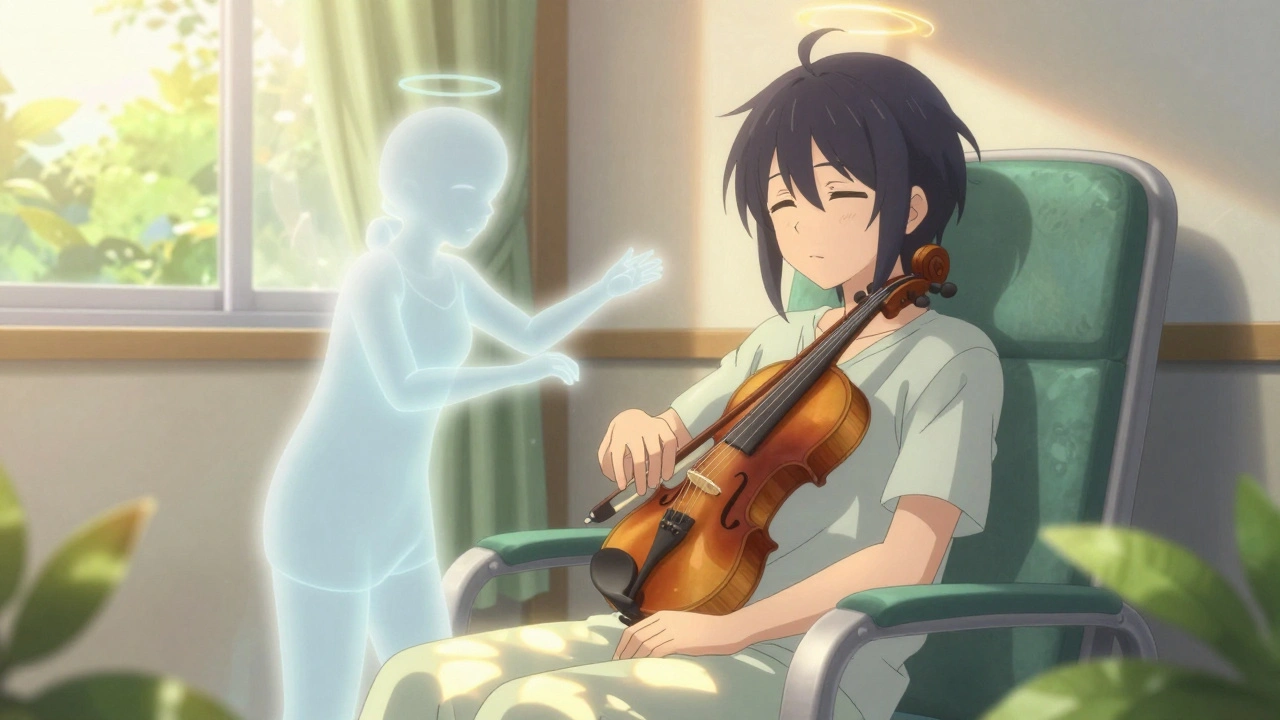
When someone is living with advanced cancer, the goal shifts from curing the disease to making life as comfortable as possible. This is where palliative care comes in-not as a last resort, but as a vital part of treatment from the very beginning. The focus? Two things: stopping pain before it takes over, and helping people live well, even when time is short.
Why Pain in Cancer Isn’t Normal-And Why It Shouldn’t Be Ignored
It’s a myth that cancer always means unbearable pain. But here’s the truth: 70 to 90% of people with advanced cancer will feel significant pain at some point. And yet, nearly half of them don’t get the relief they need. Why? Because pain is often under-treated-not because the tools don’t exist, but because it’s misunderstood. Pain isn’t just a number on a scale. It’s the woman who stops cooking because her ribs hurt when she leans forward. It’s the man who skips family dinners because standing up feels like walking on broken glass. It’s the fear of becoming a burden that keeps people silent. The good news? Between 80% and 90% of cancer pain can be controlled with today’s methods. But it takes the right plan-and the right timing.The Three-Step Ladder: How Doctors Actually Control Cancer Pain
The World Health Organization’s three-step analgesic ladder is still the backbone of cancer pain management. It’s simple, proven, and used worldwide.- Step 1 (Mild pain): Over-the-counter meds like acetaminophen (up to 4,000 mg/day) or ibuprofen (400-800 mg three times a day). These work for aching bones or sore muscles from treatment.
- Step 2 (Moderate pain): Add a weak opioid like codeine (30-60 mg every 4 hours). This isn’t for everyone-but when NSAIDs aren’t enough, it’s a reliable bridge.
- Step 3 (Severe pain): Strong opioids like morphine (5-15 mg every 4 hours orally). This is where most people need to be. And yes, it’s safe when managed properly.
It’s Not Just Pills: The Other Tools That Make a Difference
Pain isn’t just physical. Sometimes it’s nerve pain-sharp, burning, electric. That’s where adjuvant meds come in:- Gabapentin (100-1,200 mg three times a day) for nerve damage from tumors or chemo.
- Duloxetine (30-60 mg daily) for both nerve pain and the low mood that often comes with chronic pain.
- Dexamethasone (4-16 mg daily) to shrink swelling around tumors, especially in bone metastases.
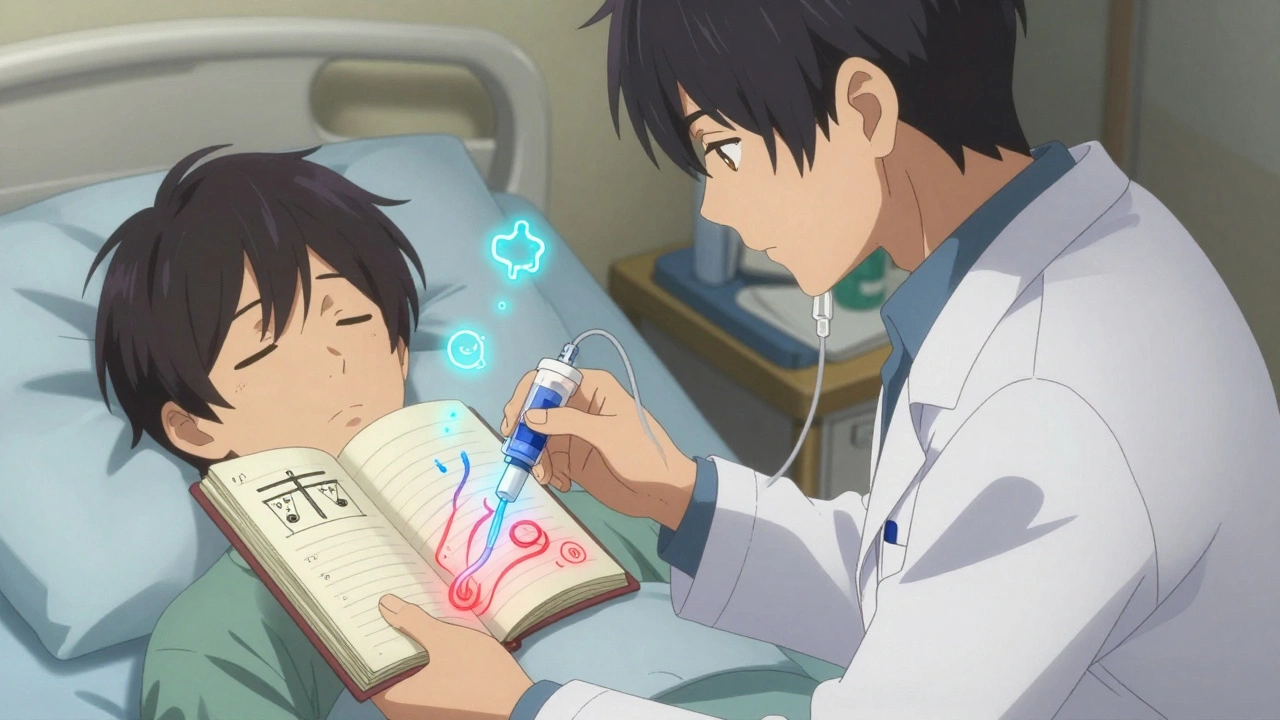
When Opioids Don’t Work-or Cause More Problems
Opioids are powerful, but they’re not perfect. Side effects like constipation, drowsiness, and nausea are common. But the biggest fear? Addiction. Here’s what most people don’t know: Addiction is rare in cancer patients who take opioids for pain. The bigger issue is something called opioid-induced hyperalgesia-where the body becomes more sensitive to pain because of long-term opioid use. It happens in 15-20% of people on high doses. When that happens, doctors don’t just crank up the dose. They switch. They use equianalgesic tables to convert morphine to fentanyl or methadone, then start at 50-75% of the calculated dose. Why? Because the body doesn’t fully tolerate the new drug right away. Too much too fast can be dangerous. And if breathing slows to 8 breaths per minute? That’s a red flag. Naloxone-given in tiny doses-is the safety net. Every hospice and oncology unit keeps it on hand.Early Palliative Care Isn’t Giving Up-It’s Fighting Better
A lot of people think palliative care means “stop treatment.” That’s wrong. The strongest evidence says: start it early. A 2022 update from the American Society of Clinical Oncology reviewed 17 studies. The result? Patients who got palliative care within 8 weeks of diagnosis had a 20-30% better quality of life-and lived 2.5 months longer on average. Why? Because early teams don’t just manage pain. They talk about fears, goals, family stress, and what “living well” means to the patient. They connect people to counselors, social workers, spiritual advisors. They help families understand what’s coming-not to scare them, but to prepare them. One patient in Adelaide told her doctor: “I just want to be able to sit in my garden without crying.” That wasn’t a medical goal. It was a life goal. And the palliative team made it happen-with pain meds, a garden chair that supported her spine, and a visit from a music therapist who played her favorite songs.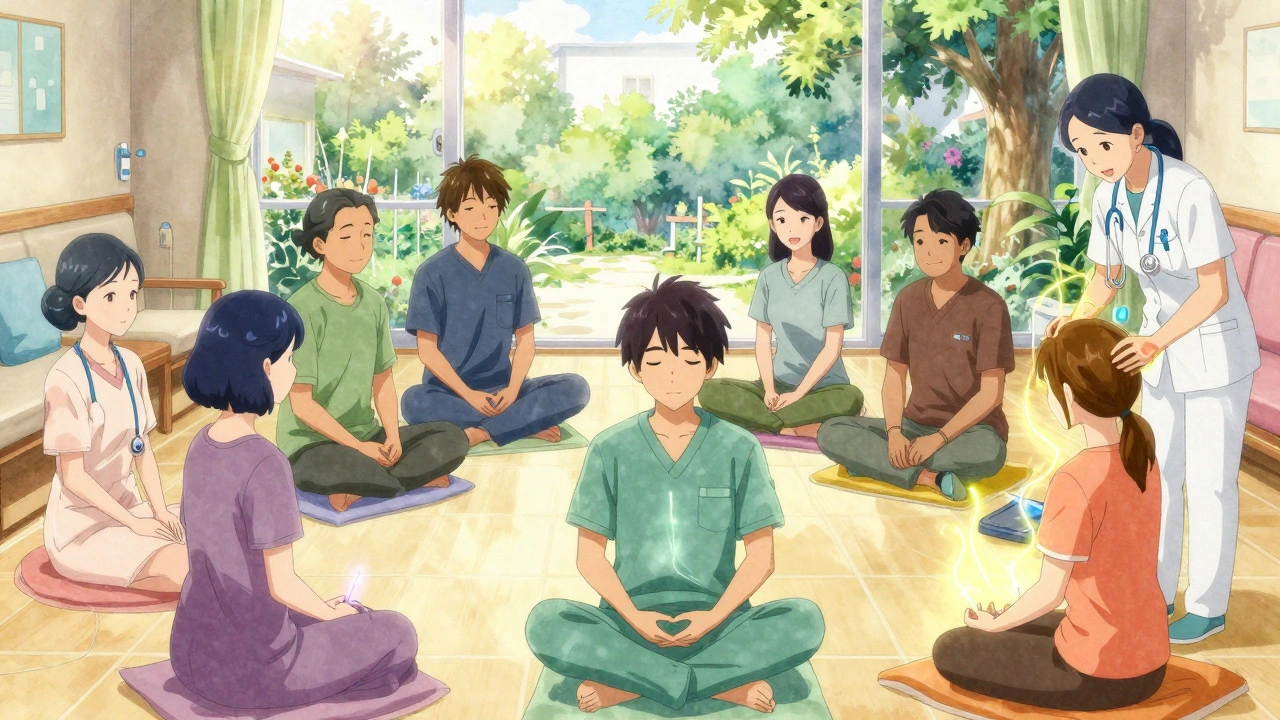
The Hidden Barriers: Why Pain Still Goes Untreated
Even with all the tools, pain control still fails. Why?- Doctors don’t ask enough. A 2017 study found 40% of oncology nurses weren’t trained in current pain assessment tools.
- Patients stay quiet. 65% of patients fear addiction or think pain is “part of the deal.”
- Culture gets in the way. In some Asian and Hispanic communities, 28% of patients underreport pain because showing pain is seen as weakness.
- Insurance won’t cover it. Acupuncture, counseling, and home visits often aren’t covered-so they don’t happen.
What’s Next? New Tools on the Horizon
Science is catching up. In 2023, researchers started testing 12 new drugs designed to target cancer pain at the source-like blocking signals from bone destruction or nerve compression. These aren’t just stronger opioids. They’re smarter. Genetic testing is also becoming more common. Some people metabolize morphine too fast-or too slow-because of their CYP450 genes. Testing can tell doctors which drug and dose will work best before they even start. And AI? It’s being trained to predict pain spikes before they happen. Imagine a system that says: “Based on your history, your pain will likely spike at 3 p.m. today. Take your breakthrough dose at 2:30.” These aren’t science fiction. They’re coming. But right now, the best tool is still a doctor who listens-and a system that doesn’t wait until someone is in crisis to act.What You Can Do-Whether You’re a Patient or a Caregiver
If you or someone you love has cancer:- Ask for a pain assessment at every visit. Don’t wait until it’s unbearable.
- Keep a pain diary: note when it hurts, where, how bad (0-10), and what helps.
- Speak up about side effects. Constipation isn’t normal-it’s treatable.
- Request a palliative care consult. You don’t need to be near death to qualify.
- Ask if non-drug options are covered. Even 10 minutes of guided breathing can help.
Is palliative care only for people who are dying?
No. Palliative care is for anyone with a serious illness like cancer, at any stage. It can start at diagnosis and run alongside treatments like chemotherapy or surgery. The goal isn’t to stop fighting the cancer-it’s to make sure you’re not suffering while you fight.
Will opioids make me addicted if I take them for cancer pain?
Addiction is rare in cancer patients using opioids for pain. What you might feel is physical dependence-your body gets used to the drug. That’s not the same as addiction, which is compulsive use despite harm. Doctors manage this by starting low, going slow, and watching for side effects. If pain is controlled and the dose is tapered properly, dependence doesn’t lead to misuse.
What if my pain medicine stops working?
It’s not uncommon. Pain can change as cancer progresses. If your current meds aren’t helping, talk to your doctor about switching opioids or adding an adjuvant drug like gabapentin or dexamethasone. Sometimes, radiation to a specific bone site can bring quick relief. Don’t wait-there are always other options.
Can non-drug treatments really help with cancer pain?
Yes. Studies show that acupuncture, massage, meditation, and even music therapy can reduce pain intensity by 30-40%. These aren’t just comfort measures-they’re part of evidence-based care. They work best when combined with medication, not instead of it.
How do I know if I need a palliative care team?
If your pain isn’t controlled after two weeks of treatment, or if you’re feeling overwhelmed by symptoms like nausea, fatigue, or anxiety, ask for a referral. Other triggers: needing help making decisions, family stress, or a distress score of 4 or higher on a simple screening tool. You don’t need to wait until you’re in crisis.
Are there alternatives to morphine for cancer pain?
Yes. Oxycodone, hydromorphone, fentanyl patches, and methadone are all common alternatives. The choice depends on your pain type, side effects, and how your body processes drugs. Some people do better with fentanyl patches because they avoid stomach issues. Others need methadone for nerve pain. Your doctor will pick the best fit.
Why is my doctor asking about my mood and family?
Pain isn’t just physical. Anxiety, depression, and family conflict can make pain feel worse. That’s why palliative teams screen for emotional distress. If you’re feeling hopeless or isolated, that’s part of your treatment plan too. Addressing these things can cut your pain perception by up to 30%.





Ronald Ezamaru
Palliative care isn’t about giving up-it’s about refusing to let pain steal your last moments. I’ve seen it firsthand. A friend with pancreatic cancer was able to hold her granddaughter’s hand for the first time in months after her morphine dose was adjusted. Not because she was dying faster, but because she was finally living again.
Doctors need to stop treating pain like a last-resort problem. It’s a core symptom, like fever or swelling. You don’t wait for a fever to hit 104 before giving Tylenol. Why wait for pain to break someone before acting?
The WHO ladder works. But only if it’s applied early, consistently, and without stigma. Too many patients are told to ‘tough it out’ because someone’s afraid of opioids. That’s not medicine. That’s neglect dressed up as caution.
Ryan Brady
Why are we even talking about this? Just give ‘em the morphine and let ‘em die in peace. Why waste money on acupuncture and music therapists? We got real problems in this country-border security, inflation, woke schools-and now we’re funding spa treatments for cancer patients? 🤡
Raja Herbal
Oh wow, a whole article on pain control and not a single mention of how Big Pharma pushed opioids like candy in the 90s. Sure, addiction is rare in cancer patients-until you realize half the people on long-term opioids got started because some rep told their doctor ‘it’s safe.’
And now we’re back to the same script: ‘trust the ladder’ while the same system that ignored pain for decades suddenly wants to pat itself on the back for ‘early intervention.’
Give me a break. The system didn’t change. It just learned how to say the right words.
Rich Paul
bro the opioid thing is wild. i mean yeah, morphine’s the OG, but like, fentanyl patches? they’re like the tesla of pain meds-no GI drama, steady drip, no need to pop pills every 4 hrs. methadone’s the dark horse tho-super long half-life, but if you don’t know your cyp450 status, you’re basically rolling dice.
also, gabapentin for nerve pain? yes. but only if you don’t mind the brain fog. i’ve seen people turn into zombies on it. duloxetine? better. less sleepy, helps with the depression that comes with chronic pain. also, acupunture? not magic, but if it cuts pain by 30%, why not? free therapy vibes.
and ai predicting pain spikes? that’s next level. imagine your phone buzzes: ‘hey, your pain’s gonna spike in 45 mins. take your breakthrough dose now.’ that’s not sci-fi, that’s just good medicine.
Delaine Kiara
Let me tell you about my uncle. He was diagnosed with stage 4 lung cancer. They gave him oxycodone. He got constipated. Then he got depressed. Then he stopped eating. Then he stopped talking. Then he stopped breathing. They didn’t adjust. They didn’t ask. They just kept giving more pills.
His last words? ‘I just wanted to sit in the sun.’
And now? Now I’m screaming into the void because the system didn’t care until it was too late. Palliative care isn’t a luxury. It’s a human right. And if your doctor doesn’t get that, find a new one. Or better yet-demand they get trained. Or else more people will die in silence.
And yes-I cried writing this. And no-I don’t care if you think I’m dramatic. My uncle deserved better.
Noah Raines
Man, this is the kind of stuff you wish every oncologist read before their first shift.
I’ve been on both sides-caregiver and patient. Pain isn’t just a number. It’s the reason your mom won’t hug you anymore because it hurts too much. It’s the silence after dinner because the pain made her too tired to talk.
And yeah, opioids aren’t perfect. But the alternative? Watching someone shrink into themselves because no one asked, ‘What’s the one thing pain is stealing from you?’
Just ask. Always ask. And if they say ‘it’s fine’? Don’t believe it. They’re scared. You’ve gotta be brave for them.
Gilbert Lacasandile
I think this is really well-written. The three-step ladder is solid, and I appreciate the emphasis on breakthrough doses and adjuvants. I’ve seen too many patients stuck on Step 1 for months because their doctor was afraid to escalate. It’s not about fear of addiction-it’s fear of being wrong.
Also, the point about cultural stigma? Huge. My cousin’s family from Mexico wouldn’t let her take anything stronger than Tylenol for six months. ‘Pain is God’s test,’ they said. She ended up in the ER with a fractured spine.
We need more education-not just for patients, but for families. Pain isn’t weakness. Silence is.
Lola Bchoudi
Let’s talk about the CYP450 genotyping. This is the future. I work in oncology pharmacy, and we’ve started testing for CYP2D6 and CYP3A4 variants before starting opioids. Some patients are ultra-rapid metabolizers-they convert codeine to morphine so fast they overdose on a standard dose. Others are poor metabolizers-codeine does nothing. Without testing, you’re flying blind.
And don’t forget: gabapentin isn’t just for nerve pain. It’s also a mood stabilizer for cancer-related anxiety. Duloxetine? It’s an SNRI, so it hits both pain and depression pathways. That’s not just treatment-that’s precision medicine.
But here’s the kicker: most hospitals still don’t have pharmacists embedded in palliative teams. That’s a gap. We need more pharmacists at the bedside, not just behind the counter.
Morgan Tait
You know what they don’t tell you? The government’s been quietly replacing morphine with fentanyl patches in hospice programs since 2020-because it’s cheaper to ship and harder to steal. But here’s the twist: those patches leak heat in summer, and some patients get burned. And no one’s talking about it.
And don’t get me started on the AI pain predictors. They’re trained on data from wealthy hospitals. What about the rural folks who drive 2 hours to see a doctor? Their pain patterns don’t match the algorithm. So the system ignores them.
It’s all smoke and mirrors. They call it ‘innovation’-but it’s just another way to make the rich feel better while the rest of us suffer in silence. I’ve seen it. I’ve lived it.
And yes-I know I sound paranoid. But when the same people who sold you opioids now sell you the cure? You learn to ask questions.
Darcie Streeter-Oxland
It is, indeed, a matter of considerable concern that the administration of opioid analgesics in palliative contexts remains subject to such pervasive underutilisation, despite robust clinical evidence supporting their efficacy and safety when appropriately monitored. The conflation of physical dependence with substance use disorder, particularly among lay populations, represents a significant impediment to optimal symptom management. Furthermore, the absence of standardized, multidisciplinary palliative care protocols across primary care settings constitutes a systemic deficiency of considerable magnitude. It is imperative that healthcare institutions implement mandatory, evidence-based training modules for all frontline clinicians, with particular emphasis on pain assessment tools such as the Brief Pain Inventory and the Edmonton Symptom Assessment Scale. Without such structural reforms, the ethical imperative to alleviate suffering will remain unfulfilled.
Christian Landry
man i had no idea about the breakthrough dose thing. i thought if you took too much you’d OD. turns out it’s like 10-15% of your daily total? that’s wild. my aunt was on morphine and we were all scared to let her take extra when she’d spike… turns out we were making it worse by holding back.
also, the app thing? my cousin uses one called ‘PainTrack’-logs it every time, even when it’s 2/10. doc said it helped him spot patterns she didn’t even notice. like pain always spiked after chemo but before bed. turned out it was the anxiety, not the meds. so they added a low-dose benzo at night. life changed.
just… talk to your doc. even if it’s ‘just a 3.’
Katie Harrison
I’ve been a nurse for 22 years. I’ve seen families cry because they think asking for pain relief means they’re giving up. I’ve seen patients refuse meds because their parents told them ‘real men don’t complain.’
Here’s what I say: Pain is not a moral failing. It’s a physiological event. And if you’re suffering, you’re not weak-you’re human.
So I ask: What’s one thing you want to do before you die? Then I help you do it. Whether it’s holding a grandchild, smelling fresh grass, or listening to your favorite song.
Palliative care isn’t about dying. It’s about living-right up until the very last moment.
And if your doctor doesn’t get that? Find someone who does.
Mona Schmidt
The data is unequivocal: early integration of palliative care improves survival, reduces hospitalizations, and enhances patient-reported quality of life. Yet, referral rates remain below 30% in most U.S. hospitals. This is not a clinical gap-it is an ethical failure.
Furthermore, the assumption that non-pharmacological interventions are ‘complementary’ rather than ‘evidence-based’ perpetuates inequity. Acupuncture, mindfulness, and music therapy are not ‘alternative’-they are validated modalities with effect sizes comparable to many pharmaceuticals.
Systemic change requires policy reform: mandatory palliative care consults at diagnosis for all stage III/IV cancer patients, insurance reimbursement for non-pharmacological services, and standardized pain literacy curricula for medical schools.
Until then, we are not providing care-we are managing decline.
Ronald Ezamaru
One more thing-don’t let anyone tell you opioids are dangerous because they’re addictive. In cancer, it’s the opposite. The real danger is under-treating pain. The WHO says 80-90% of cancer pain can be controlled. That’s not luck. That’s science.
But science doesn’t work if no one asks for it.
So ask. Always ask.