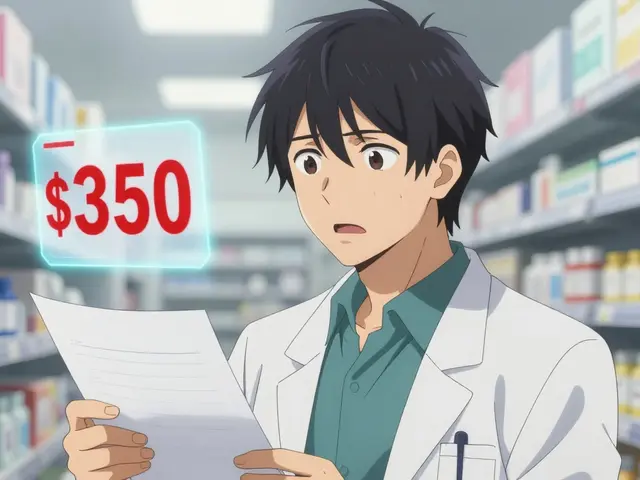
Standing in the pharmacy aisle, staring at a bill for $150 when you expected to pay $20 is a moment most of us dread. It happens more often than we’d like to admit. You have insurance, but your copay is high. Or maybe you’re uninsured entirely. In those moments, prescription discount programs and coupons that promise massive savings on medications look like a lifeline. But here’s the real question: do they actually work, or are they just another layer of complexity in an already confusing healthcare system?
The short answer is yes, they work-but not equally for everyone. The effectiveness depends heavily on what kind of drug you need, whether you have insurance, and which program you use. Some tools can slash your bill by nearly 85%, while others might save you less than a dollar. Let’s break down how these systems operate, where they shine, and where they fall flat.
How Prescription Discounts Actually Function
To understand if these programs work, you first need to know how they make money. Unlike insurance, which pools risk from millions of people, discount cards and coupons operate on negotiated pricing. Third-party services like GoodRx and Blink Health negotiate lower cash prices with pharmacies. When you use their card, the pharmacy agrees to sell the drug at that discounted rate, knowing the volume of customers will make up for the lower margin per pill.
Manufacturer coupons work differently. These are typically offered by pharmaceutical companies for brand-name drugs. They act as point-of-sale rebates. The pharmacy charges the full list price, but the coupon covers the difference so you only pay a small copay. However, this structure keeps the official price of the drug high, which can inflate overall healthcare costs even if your individual bill looks low.
There’s also a third category: Prescription Assistance Programs (PAPs). These are often run by nonprofits or clinics and provide free medications to qualifying uninsured patients. This isn’t about discounts; it’s about direct aid. A study from a Tennessee free clinic showed that PAPs saved an average of $3,649 per patient over 13 months. That’s substantial relief, but access is limited to specific eligibility criteria.
The Generic vs. Brand-Name Divide
If there is one golden rule in prescription savings, it’s this: discount programs work best for generic medications. For generics, third-party cards like GoodRx can deliver average discounts of 65%. Imagine a regimen costing $52.80 dropping to $18.60. That’s a tangible difference in your wallet.
Brand-name drugs tell a different story. Discounts on these are often minimal, hovering between 6% and 11%. In some cases, a heart failure regimen priced at $1,300 might only drop to $1,212. Why? Because manufacturers protect their profit margins on proprietary drugs. Manufacturer-sponsored coupons help here, but they come with strings attached. Research indicates that coupon use can increase demand for brand-name drugs by 60% or more, effectively discouraging patients from switching to cheaper generic alternatives.
| Drug Type | Average Discount Range | Best Tool |
|---|---|---|
| Generic Medications | 50% - 75% | Third-party discount cards (e.g., GoodRx) |
| Brand-Name Medications | 5% - 15% | Manufacturer coupons |
| Uninsured Patients | Varies widely | Prescription Assistance Programs (PAPs) |
Insurance Complications: When Not to Use a Coupon
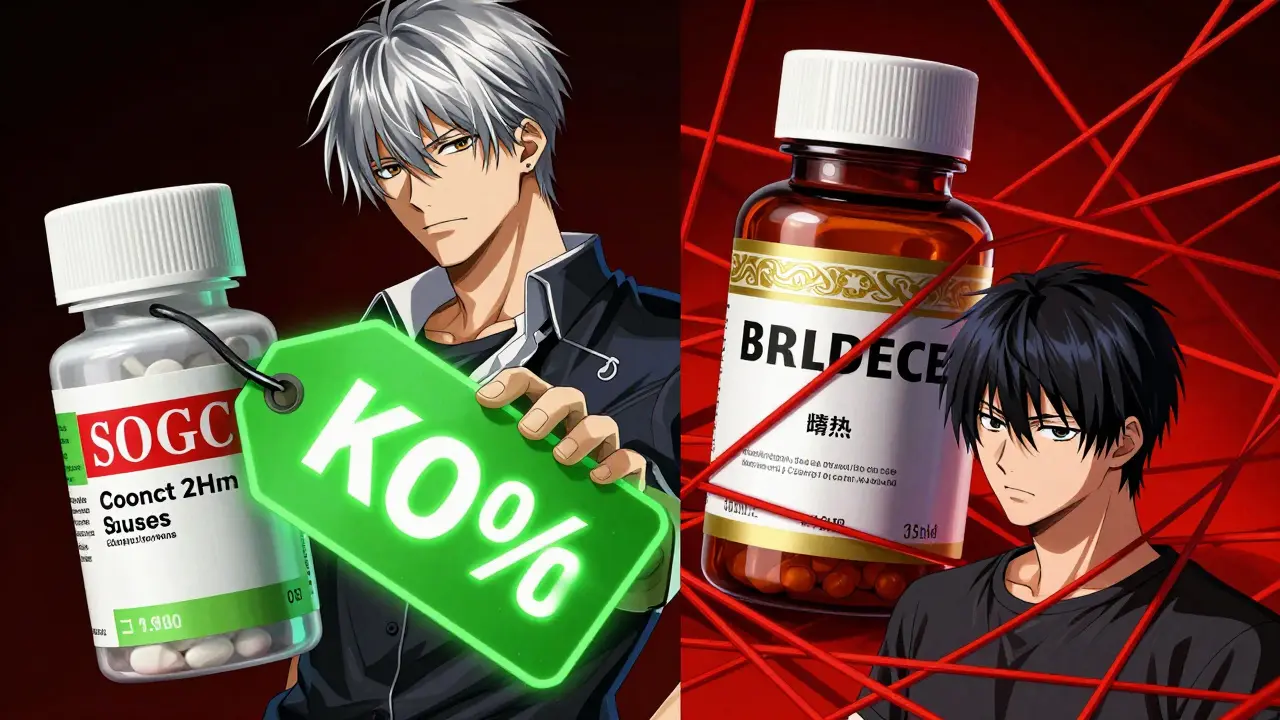
This is where things get tricky. If you have Medicare Part D or certain commercial insurance plans, using a discount coupon can backfire. Many insurance plans require you to pay the full cost when you use a non-insurance discount. That means the money you spend won’t count toward your deductible or your out-of-pocket maximum.
For Medicare beneficiaries, the stakes are higher. Using a manufacturer coupon can prevent those payments from counting toward catastrophic coverage thresholds. While the Inflation Reduction Act has capped out-of-pocket costs at $2,000 annually starting in 2025, older plan structures still pose risks. Always check with your pharmacist or insurer before swiping a discount card if you have coverage. Sometimes, paying the higher copay now saves you thousands later when you hit your deductible.
However, if you’re commercially insured and facing a high copay due to formulary tiers, discount cards can still be useful. Studies show that more than half of commercial patients could reduce their out-of-pocket costs by 20% or more using these cards after initially abandoning prescriptions due to cost. The key is comparison. Check your insurance copay against the discount card price every time.

User Experience and Practical Challenges
Do these programs work in practice? Mostly, yes, but the user experience varies. Apps like GoodRx have streamlined the process, allowing users to compare prices across local pharmacies in minutes. Users report saving significant amounts on common medications like metformin, with some seeing savings of nearly $50 on a 90-day supply compared to their insurance copay.
But there are friction points. Pharmacists aren’t always familiar with every discount program, leading to delays at the counter. Pricing can also be inconsistent across different pharmacy chains, even within the same neighborhood. One user reported saving $47 on one drug but only $1.20 on another brand-name prescription despite using a coupon. This inconsistency means you can’t set it and forget it. You have to actively manage your savings.
Setting up manufacturer coupons takes time-usually 8 to 12 minutes per registration-and requires navigating complex websites. Prescription Assistance Programs require even more effort, involving staff training and administrative support. For many, the convenience of insurance outweighs the hassle of hunting for discounts, unless the savings are substantial.
The Future of Prescription Savings
The landscape is shifting. Regulatory scrutiny is increasing, with investigations into whether manufacturer coupons drive up overall healthcare spending by encouraging brand-name use over generics. Meanwhile, new technologies are emerging. AI-driven price comparison tools are being piloted by major pharmacy chains, promising real-time analysis of insurance benefits versus discount options.
Integration with telehealth platforms is also growing, making it easier to get prescriptions and discounts in one go. As Medicare drug negotiations take effect, the need for discount programs among seniors may decrease. However, for the uninsured and underinsured, these tools remain critical. The most sustainable models will likely be those that integrate directly with insurance benefit design rather than operating as separate, parallel systems.
Can I use GoodRx if I have insurance?
Yes, but you should compare prices first. If your insurance copay is lower than the GoodRx price, use your insurance. Using GoodRx usually means you pay the full cash price, which may not count toward your deductible or out-of-pocket maximum.
Are prescription discount cards free to use?
Most third-party discount cards like GoodRx and Blink Health are free for consumers. They make money through partnerships with pharmacies and data analytics, not by charging users fees.
Why are brand-name drug discounts so small?
Manufacturers keep list prices high to maintain perceived value and profit margins. Coupons offer minimal discounts to encourage brand loyalty over cheaper generic alternatives, which can increase overall healthcare costs.
Do discount coupons work for Medicare Part D?
Generally, no. Medicare rules prohibit using manufacturer coupons for covered drugs because the payment doesn't count toward your out-of-pocket limits. Always consult your pharmacist before using a coupon with Medicare.
What is the best way to save on generic medications?
Third-party discount cards like GoodRx are highly effective for generics, often providing savings of 50-75%. Compare the card price against your insurance copay to ensure you're getting the best deal.