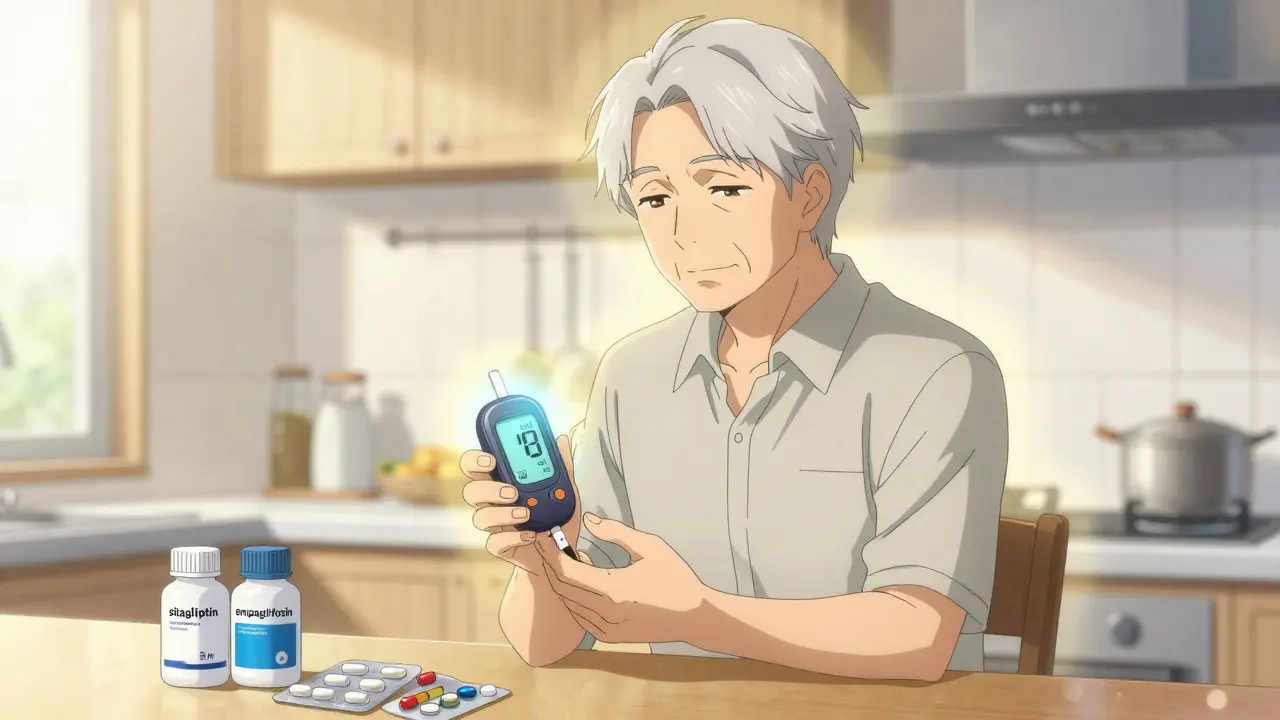
For many seniors with diabetes, the biggest danger isn't high blood sugar-it's low blood sugar. A drop below 70 mg/dL might seem minor, but in someone over 65, it can lead to a fall, a trip to the ER, or even a heart attack. Hypoglycemia is the leading cause of diabetes-related emergency visits among Medicare beneficiaries, and it’s happening far too often because of the wrong medications. The good news? You don’t have to accept this risk. With the right choices, seniors can manage their diabetes safely and stay independent longer.
Why Seniors Are at Higher Risk for Low Blood Sugar
As we age, our bodies change in ways that make low blood sugar more likely and more dangerous. Kidneys don’t clear medications as quickly, so drugs like glyburide stick around longer than they should. The body’s natural defenses against low blood sugar-like releasing adrenaline to trigger hunger or a racing heart-become weaker. That means a senior might not feel the warning signs until it’s too late. Studies show seniors experience hypoglycemia 2 to 3 times more often than younger adults. And it’s not just about feeling shaky. One severe episode can raise the risk of dying within a year by 60%. Even mild lows-between 54 and 69 mg/dL-can cause confusion, dizziness, or loss of balance. For someone living alone, that’s a recipe for disaster.Medications That Put Seniors at Risk
Not all diabetes drugs are created equal when it comes to safety. Some are far more likely to cause dangerous lows. Sulfonylureas like glyburide (Glynase), glipizide (Glucotrol), and gliclazide are among the most common culprits. Glyburide is especially risky. It stays in the system for hours, even in people with reduced kidney function. Research shows nearly 40% of seniors on glyburide have at least one hypoglycemic episode each year. One study found 19.3% of elderly patients on glyburide had severe lows requiring help-compared to just 11.3% on glipizide. The American Geriatrics Society’s Beers Criteria lists glyburide as a medication seniors should avoid. It’s not just outdated-it’s dangerous. The FDA now requires warning labels on sulfonylureas specifically for older adults with kidney issues. Insulin is another major risk. While effective, it requires precise timing and portioning. Seniors who forget meals, have trouble reading syringes, or live alone are at higher risk of overdosing. Insulin use increases fall risk by 30% due to dizziness and confusion from low blood sugar.The Safer Alternatives
Thankfully, there are better options that work just as well without putting seniors in danger. DPP-4 inhibitors like sitagliptin (Januvia), linagliptin (Tradjenta), and saxagliptin (Onglyza) rarely cause hypoglycemia on their own. In clinical trials, only 2-5% of seniors using these drugs had low blood sugar-compared to 15-40% on sulfonylureas. They’re taken once daily, don’t require dose adjustments for most kidney issues, and don’t cause weight gain. SGLT2 inhibitors like empagliflozin (Jardiance) and dapagliflozin (Farxiga) also have very low hypoglycemia risk. They work by helping the kidneys remove excess sugar through urine. In trials, hypoglycemia rates were around 4.5%, even lower than placebo in some cases. They also offer heart and kidney protection, which matters a lot for older adults with other chronic conditions. Metformin is still considered first-line for many seniors-but only if kidneys are working well. It’s safe when used correctly, but it’s often stopped in people over 80 or those with creatinine clearance below 30 mL/min. Regular blood tests are key. And then there’s tirzepatide (Mounjaro), a newer injectable approved in 2022. In elderly trial participants, it caused hypoglycemia in only 1.8% of cases-far lower than insulin. It’s not yet widely used in seniors due to cost and injection needs, but it’s a promising option for those who need stronger control without the risk.
Real Stories, Real Results
Mary Thompson, 78, from Ohio, had three falls in six months because of low blood sugar from glyburide. Her doctor switched her to sitagliptin. In six months, she had zero lows. "I walk to the mailbox every day now without worrying," she says. On Reddit, a caregiver shared how their 82-year-old father kept waking up drenched in sweat and confused at night from glipizide. After switching to linagliptin, his blood sugar stabilized between 90 and 140. No more nighttime emergencies. These aren’t rare cases. A 2022 study found that 62% of all medication-related ER visits for seniors with diabetes were due to hypoglycemia-and most were caused by sulfonylureas or insulin.What You Can Do Right Now
If you or a loved one is on diabetes medication, here’s what to do:- Ask your doctor: "Is this medication safe for someone my age?" If they prescribe glyburide, ask why-not every provider is up to date on guidelines.
- Check your current meds. Are you taking a sulfonylurea? Insulin? Ask about switching to a DPP-4 or SGLT2 inhibitor.
- Get a continuous glucose monitor (CGM). Seniors using CGMs have 65% fewer hypoglycemic events than those using fingersticks. The device alerts you before your sugar drops too low-even while you’re asleep.
- Teach family members or caregivers how to recognize low blood sugar signs: drowsiness, sweating, confusion, irritability, fast heartbeat, or weakness.
- Keep fast-acting sugar handy: juice boxes, glucose tablets, or even candy. Don’t wait until you feel bad to have it ready.
Polypharmacy: The Hidden Danger
The average senior with diabetes takes nearly five prescription drugs and almost two over-the-counter ones. That’s a lot of chances for interactions. Beta-blockers (used for high blood pressure or heart conditions) can hide the warning signs of low blood sugar, like a racing heart. NSAIDs like ibuprofen can make sulfonylureas stronger, increasing hypoglycemia risk. Even some antibiotics and antifungals can interfere. A pharmacist-led medication review can cut hypoglycemia events by nearly a third. Ask for a "brown bag review"-bring all your pills, vitamins, and supplements to your pharmacist. They’ll spot dangerous combinations you might miss.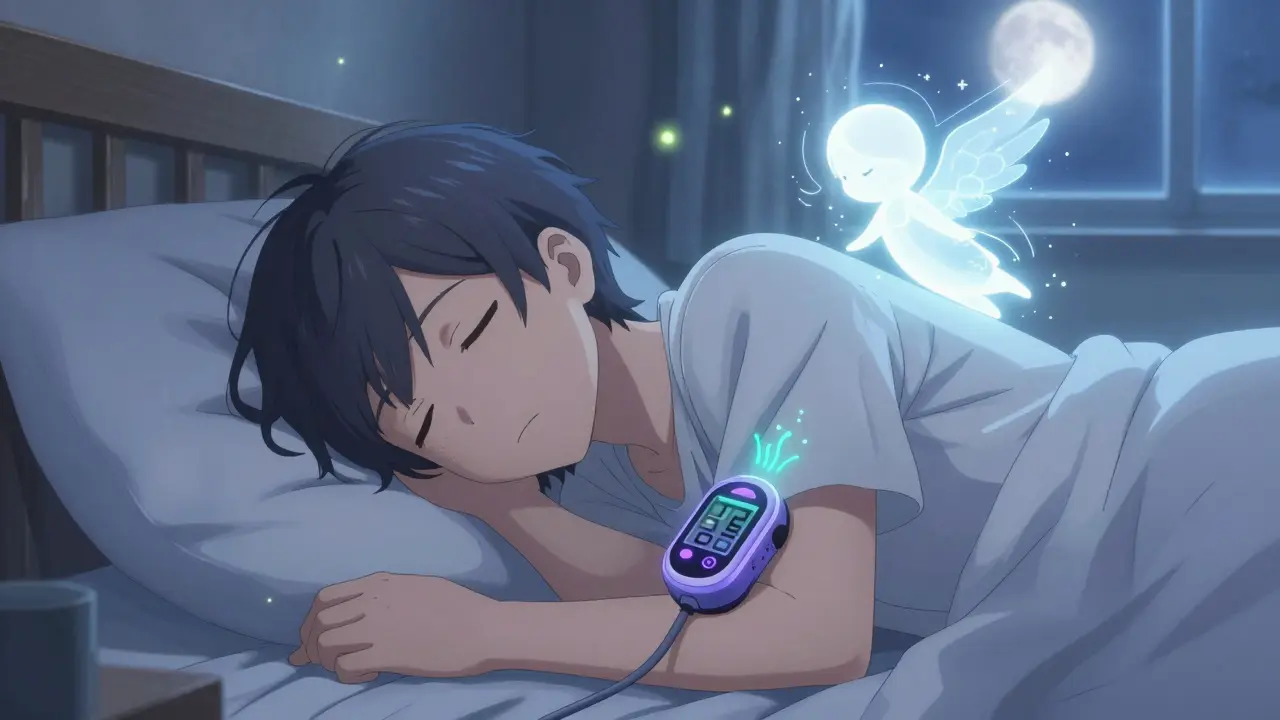
What Your Blood Sugar Target Should Be
Forget the old goal of HbA1c under 7%. For seniors, tighter control often backfires. The American Diabetes Association now recommends:- 7.0-7.5% for healthy seniors with few other health problems
- 7.5-8.0% for those with multiple conditions or mild cognitive issues
- Up to 8.5% for frail seniors or those with advanced dementia or life-limiting illness
When to Consider Stopping Medication
Sometimes, less is more. If a senior is frail, has memory problems, or lives alone with no support, some medications may do more harm than good. The STOPP/START criteria help doctors decide which meds to stop or start. One study showed using these guidelines reduced hypoglycemia-related hospital stays by 32%. If your loved one is struggling to remember doses, eating irregularly, or having frequent lows, ask: "Could we simplify this?" Sometimes, removing one high-risk drug and switching to a safer one makes all the difference.Looking Ahead
Newer diabetes drugs are being designed with seniors in mind. "Smart insulin"-which only activates when blood sugar is high-is in clinical trials. Early results are promising. These could eliminate hypoglycemia entirely for many patients. But you don’t have to wait. The tools to protect seniors from low blood sugar are here now: safer medications, CGMs, pharmacist reviews, and updated guidelines. The key is asking the right questions and pushing for personalized care. Diabetes isn’t one-size-fits-all-especially for seniors. Safety should always come before numbers on a screen.What’s the safest diabetes medication for seniors?
DPP-4 inhibitors like sitagliptin (Januvia) and linagliptin (Tradjenta) are among the safest. They rarely cause low blood sugar when used alone. SGLT2 inhibitors like Jardiance are also low-risk and offer added heart and kidney benefits. Avoid glyburide and other long-acting sulfonylureas-they’re dangerous for older adults.
Can metformin cause low blood sugar in seniors?
Metformin alone rarely causes hypoglycemia. But it’s cleared by the kidneys, so it can build up in seniors with reduced kidney function. Doctors often stop or lower the dose if creatinine clearance falls below 30 mL/min. Always get kidney function checked before starting or continuing metformin.
Why is glyburide dangerous for older adults?
Glyburide has a long half-life and is cleared mostly by the kidneys. As kidneys slow with age, the drug stays in the body too long, causing prolonged low blood sugar. Studies show nearly 40% of seniors on glyburide have at least one hypoglycemic episode per year. The American Geriatrics Society explicitly advises against its use in older adults.
Should seniors use insulin for diabetes?
Insulin can be used safely in seniors, but only with careful planning. It requires consistent meals, reliable access to food, and someone to help with dosing if needed. For many, it’s not the best first choice. Safer oral options like DPP-4 inhibitors should be tried first. If insulin is necessary, use long-acting types like glargine or detemir, and pair them with a CGM to prevent lows.
How can I tell if my senior parent is having low blood sugar?
Symptoms can be subtle. Look for confusion, drowsiness, sweating, shakiness, irritability, weakness, or a fast heartbeat. Some seniors don’t feel hunger or sweating-instead, they just seem "off." If they’re unusually quiet, lethargic, or have trouble speaking, check their blood sugar immediately. Don’t wait for classic signs.
Do continuous glucose monitors work for elderly patients?
Yes, and they’re highly effective. Seniors using CGMs have 65% fewer hypoglycemic events than those using fingersticks. Many devices have alarms that wake the user or alert caregivers during nighttime lows. Even those with limited tech skills can learn to use them with a little help. Medicare often covers CGMs for seniors with frequent lows.







Darren McGuff
Let me tell you, I’ve seen this play out in my own clinic. Glyburide is basically a landmine for seniors. One elderly patient of mine was on it for years - no symptoms, thought she was fine. Then she fell walking to the bathroom at 3 a.m. Broke her hip. Turned out her blood sugar was 48. Switched her to sitagliptin. Six months later? She’s gardening again. No more ER visits. It’s not rocket science - it’s just common sense.
And don’t get me started on insulin without a CGM. That’s like handing a toddler a loaded gun and saying, ‘Be careful.’
Alicia Hasö
To every caregiver reading this: you are not alone. I’ve been there - holding my mother’s hand as she woke up confused, drenched in sweat, terrified because she didn’t know why she felt so awful. We thought it was dementia. It was hypoglycemia. Once we switched her from glipizide to linagliptin, her nights became peaceful. Her eyes brightened. She started remembering birthdays again.
This isn’t just about medication. It’s about dignity. It’s about letting our elders live, not just survive. Please, if you’re reading this - ask your doctor. Push back. Your loved one deserves better than outdated protocols.
Ashley Kronenwetter
While the article presents valid clinical concerns, it should be noted that individual patient factors - including comorbidities, cognitive status, and social support - must guide therapeutic decisions. The blanket avoidance of sulfonylureas may overlook cases where, under close monitoring, they remain appropriate. Clinical guidelines are tools, not absolutes.
Additionally, the cost and accessibility of newer agents like SGLT2 inhibitors and tirzepatide remain significant barriers for many Medicare beneficiaries. Policy reform must accompany clinical recommendations.
Aron Veldhuizen
Let’s be honest - this whole ‘senior-safe diabetes’ narrative is a corporate marketing ploy dressed up as medical advice. DPP-4 inhibitors? They’re expensive, barely more effective than metformin, and their long-term safety data is still thin. The real issue isn’t glyburide - it’s the medical system’s obsession with ‘number-worship’ and the pharmaceutical industry’s push to replace cheap generics with branded drugs that pay dividends to shareholders.
Why not ask: why are seniors getting so many prescriptions in the first place? Why not reduce polypharmacy instead of swapping one pill for another? We’re treating symptoms, not systems. And that’s the real hypoglycemia - of critical thinking.
Heather Wilson
Interesting. But let’s fact-check this. The 62% ER visit stat - source? 2022 study? Which one? CDC? Medicare? JAMA? You cite it like it’s gospel, but I can’t find it. Also, ‘nearly 40% of seniors on glyburide have at least one episode per year’ - that’s from a 2018 retrospective chart review with selection bias. Not a randomized trial. And you mention tirzepatide with zero mention of GI side effects - nausea, vomiting, diarrhea - which are brutal in the elderly.
Also, CGMs cost $1,000/month out-of-pocket for many. You’re preaching to the privileged. Most seniors on Medicare don’t have supplemental coverage. This reads like a pharma-funded blog post with cherry-picked anecdotes.
Micheal Murdoch
There’s a quiet revolution happening in geriatric diabetes care - and it’s not about drugs. It’s about presence. About someone checking in. About teaching a grandparent how to use a glucose meter without making them feel stupid. About keeping juice boxes in the couch cushion, not just the medicine cabinet.
I’ve worked with families who’ve turned their kitchens into safety zones - alarms, color-coded pill dispensers, phone alerts to caregivers when glucose drops. One woman set up a weekly Zoom call with her grandson just so he could ask, ‘Grandma, did you eat lunch today?’
Medication changes matter. But connection? That’s what keeps people alive. Don’t just swap pills - swap isolation for attention.
Jeffrey Hu
Everyone’s talking about DPP-4 inhibitors like they’re magic, but did you know they’re metabolized by CYP3A4? That means if your grandma’s on clarithromycin or ketoconazole - boom, toxicity. And SGLT2 inhibitors? UTIs and Fournier’s gangrene risk goes up in elderly women. You think a 78-year-old with incontinence wants to hear that? And CGMs? Most seniors can’t tell the difference between ‘high’ and ‘low’ on the app. Their kids have to monitor it. Who’s gonna do that at 2 a.m.? This whole thing is overengineered.
Metformin’s still the gold standard if kidneys are okay. Stop overcomplicating it.
Drew Pearlman
I just want to say - this post gave me hope. My dad’s 84, on glyburide, and I’ve been terrified for years. He’d say he felt fine, but he was zoning out at dinner, forgetting to eat, walking slow like he was underwater. I didn’t know it was low blood sugar. I thought he was just getting old.
After reading this, I printed out the Beers Criteria, took it to his appointment, and asked - ‘Can we try something safer?’ He’s on sitagliptin now. He’s laughing again. He asked me to take him fishing last weekend. That’s the first time in two years.
You don’t need fancy tech or expensive meds. You just need someone who cares enough to ask the right questions. Thank you for giving me the courage to speak up.
Chris Kauwe
Let’s not pretend this is about health - it’s about cultural decay. We’ve turned medicine into a consumer product. Seniors aren’t being protected - they’re being coddled. Glyburide’s been used for 50 years. It’s cheap. It works. Now we’re pushing expensive, unproven ‘lifestyle-friendly’ drugs because we’re too lazy to teach seniors to eat on time or check their sugar.
Back in my day, you took your medicine, you ate your meals, and you didn’t whine about a little dizziness. Now we’re medicating normal aging into a crisis. This isn’t science - it’s guilt-driven pharmaceutical propaganda. Stop infantilizing our elders.
Meghan Hammack
My grandma used to get so scared of her insulin shots. She’d cry before giving them. We switched her to Jardiance - no needles, no panic. She started eating ice cream again. No more 3 a.m. panic calls. She says she feels like herself now. I just wish we’d known sooner.
If you’re reading this and your parent is on sulfonylureas - don’t wait. Ask. Even if they say ‘I’m fine.’ They’re not fine. They’re just used to feeling awful.
RAJAT KD
Glyburide kills. Switch them. Now.
Matthew Maxwell
It’s not the medication - it’s the lack of discipline. Seniors aren’t being told to eat regularly. They’re being given pills to compensate for poor habits. This is a failure of personal responsibility, not a failure of pharmaceutical policy. If your loved one can’t manage meals, perhaps they shouldn’t be living alone. Medication changes are a Band-Aid on a systemic collapse of family care.
Lindsey Wellmann
OMG I CRIED reading this 😭 my nana’s on glyburide and I just found out she’s been having silent lows… I’m calling her doctor TOMORROW 🙏💖 #DiabetesAwareness #SaveOurSeniors 🌟🩺💔