Every year, over 1.5 million people in the U.S. end up in the emergency room because of problems with their medications. That’s not just a statistic-it’s someone’s parent, sibling, or neighbor. And the worst part? Up to 400,000 of those cases are completely preventable. Medication safety isn’t just for doctors or pharmacists. It’s something every patient needs to understand, because your life could depend on it.
What Exactly Is Medication Safety?
Medication safety means making sure you get the right drug, in the right dose, at the right time, and for the right reason-without harm. It’s not just about avoiding mistakes like giving someone insulin when they need blood pressure medicine. It’s also about catching problems before they happen: drug interactions, wrong dosages, expired pills, or even skipping doses because you can’t afford them.
The process starts the moment a doctor writes a prescription and doesn’t end until the medicine is out of your system. There are nine steps in between: ordering, storing, preparing, dispensing, giving it to you, checking if it’s working, and recording everything. At any of those points, something can go wrong. And it does-often.
Where Do Medication Errors Happen?
You might think errors only happen in hospitals, but they’re everywhere. In fact, 38% of all medication errors happen when a doctor writes the prescription. Poor handwriting used to be a big issue-now it’s digital typos, confusing abbreviations, or clicking the wrong drug from a dropdown menu. One nurse in Texas told me she once saw a patient get 10mg of Xanax instead of 1mg because the doctor typed "10" instead of "1.0". The system didn’t flag it. The patient ended up in the hospital for three days.
Then there’s administration-when nurses or caregivers give you the medicine. That’s where 26% of errors occur. Distractions, rushed shifts, or not double-checking your name or wristband can lead to giving the wrong drug to the wrong person. One study found that using barcode scanners to match your ID with the medicine cuts those errors by 65%.
And don’t forget the pharmacy. About 16% of errors happen when the pharmacist fills the prescription. Similar-looking packaging-like two different blood pressure pills that look almost identical-can cause mix-ups. One patient in Florida took a diabetes pill thinking it was her cholesterol medicine. Her blood sugar crashed overnight.
High-Risk Medications You Should Know About
Some drugs are more dangerous than others. These are called "high-alert medications," and they’re responsible for a huge chunk of serious harm. Insulin? It causes 17% of the most serious medication errors. Get the dose wrong, and you could go into a coma. Opioids? 14% of deadly errors involve them. Anticoagulants like warfarin? 12%. Even oxytocin, used during childbirth, can cause fatal bleeding if given too fast.
If you’re taking any of these, you need to be extra careful. Ask your doctor or pharmacist: "Is this a high-risk drug? What happens if I take too much? What should I watch for?" Don’t assume they’ll tell you unless you ask.
Who’s Most at Risk?
Not everyone is equally vulnerable. Children make up 20% of all medication-related emergency visits. They’re often given liquid doses, and a simple mistake in teaspoons versus milliliters can be deadly. Older adults? They’re even more at risk. People over 65 account for 50% of hospitalizations from bad drug reactions. Why? Because they’re often on five, six, or even ten different pills. The more drugs you take, the higher the chance one will interact badly with another.
Pregnant women face different risks. Some medicines can harm the baby, even in small doses. And here’s something most people don’t realize: 42% of older adults skip doses or change their meds on their own because they can’t afford them or they feel side effects. That’s not rebellion-it’s survival. But it’s still a medication error, and it’s dangerous.
How Technology Is Helping (And Sometimes Hurting)
Electronic health records (EHRs) were supposed to fix this. And they have-sort of. Hospitals using EHRs with smart alerts have cut serious errors by 48%. Barcode systems that scan your wristband and the pill before giving it? They’ve slashed administration errors by 65%.
But there’s a catch. Too many alerts can make doctors and nurses ignore them. If a system pops up 25 warnings during one shift, people stop paying attention. That’s called "alert fatigue." And it’s making some systems less effective, not more.
There’s also the issue of digital access. If you’re not tech-savvy, or your doctor’s system doesn’t talk to your pharmacy’s system, you’re at risk. One patient in Arizona had her blood thinner changed by her specialist-but her primary care doctor never got the update. She ended up bleeding internally. The system didn’t connect the dots.
What You Can Do to Protect Yourself
You don’t have to wait for the system to fix itself. There are simple, powerful things you can do right now:
- Keep a current list of every medicine you take. Include prescriptions, over-the-counter drugs, vitamins, and supplements. Update it every time something changes. The CDC says patients who do this reduce medication errors by 45% during hospital visits.
- Ask three questions at every appointment: "What is this for?" "What side effects should I watch for?" "Could this interact with anything else I’m taking?"
- Use a pill organizer. Blister packs or weekly trays help you remember what to take and when. One study showed patients using them had 60% better adherence.
- Don’t be afraid to speak up. If a pill looks different, or the dosage seems off, say something. Nurses and pharmacists expect you to question things. It’s part of safety.
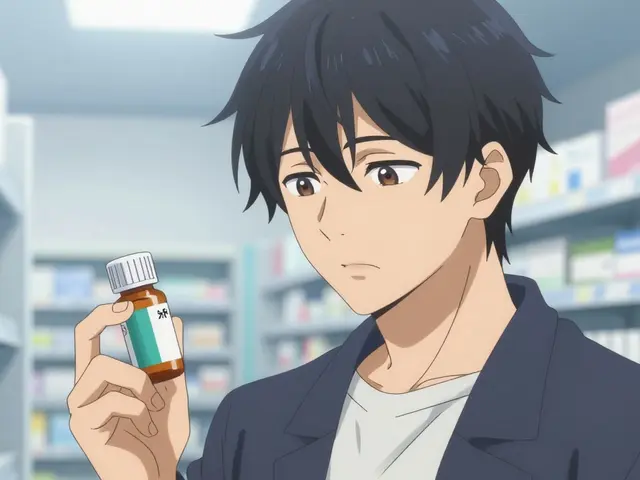
- Check your prescriptions at the pharmacy. Look at the label. Is the name right? Is the dose what your doctor said? If it doesn’t match, ask them to double-check.
Why This Isn’t Just a Hospital Problem
Medication safety isn’t just about hospitals or clinics. It’s about your home, your routine, your habits. When you skip a dose because you’re traveling and forgot your pills, that’s a safety issue. When you crush a pill because you can’t swallow it-without checking if it’s safe to crush-that’s a safety issue. When you take leftover antibiotics from last year because you feel sick again-that’s a safety issue.
And it’s not just about drugs. It’s about communication. If your doctor doesn’t know you’re taking herbal supplements, they might prescribe something that makes them dangerous. If your pharmacist doesn’t know you’re allergic to dye, they might fill your pill with the wrong filler. These aren’t "mistakes"-they’re system failures. And they’re preventable.
The Bigger Picture
Healthcare systems are spending millions on safety tech, training, and protocols. The good news? Every dollar invested in medication safety returns $4.20 in saved hospital costs and better outcomes. The bad news? Only 35% of hospitals have truly adopted a "no-blame" culture. Too many providers still fear punishment if they report an error. That’s why mistakes keep happening.
But change is coming. The FDA now requires all prescription labels to use clear, standardized numbers-no more ".5" or "5.0" to avoid decimal errors. The WHO’s global "Medication Without Harm" campaign is pushing for a 50% drop in preventable harm by 2027. And AI tools are starting to predict which patients are at risk of bad reactions before they even get the prescription.
Still, technology alone won’t fix this. Real change happens when patients become active partners in their care. When you know your meds, ask questions, and speak up-you’re not being difficult. You’re saving your own life.
What Happens If Nothing Changes?
Right now, preventable medication errors cause between 100,000 and 200,000 deaths in the U.S. every year. That’s more than car accidents, breast cancer, or HIV/AIDS. And it’s not because doctors are careless. It’s because the system is broken in ways we’ve ignored for too long.
But you don’t have to wait for the system to fix itself. Start today. Write down your meds. Ask the questions. Speak up. Your life isn’t just a chart in a hospital file. It’s yours-and you have the power to protect it.
What is the most common cause of medication errors?
The most common cause is prescribing errors, which make up 38% of all medication mistakes. These happen when doctors write the wrong drug, dose, or instructions-often due to similar-sounding names, digital typos, or lack of full patient history. Poor communication between providers and patients also plays a big role.
Can I get hurt from medications even if I take them correctly?
Yes. Even if you take your meds exactly as prescribed, you can still have an adverse drug event (ADE). This includes unexpected side effects, allergic reactions, or dangerous interactions with other drugs, foods, or supplements. That’s why it’s critical to tell your doctor about everything you’re taking-even herbal teas or over-the-counter painkillers.
Why do elderly patients have more medication problems?
Older adults often take five or more medications at once, increasing the risk of interactions. Their bodies also process drugs differently as they age, making them more sensitive to side effects. Plus, memory issues or vision problems can lead to missed or double doses. About half of all hospitalizations from medication errors involve people over 65.
Are over-the-counter drugs safe?
Not always. Many people think OTC means harmless, but drugs like ibuprofen, acetaminophen, and antihistamines can cause serious harm if taken in excess or mixed with other meds. Acetaminophen overdose is the leading cause of liver failure in the U.S. Always check with your pharmacist before combining OTC and prescription drugs.
How can I tell if a medication is causing a problem?
Watch for new symptoms after starting a drug: dizziness, nausea, confusion, rash, unusual fatigue, or changes in urination or mood. If something feels "off" and it started after you began a new medication, contact your doctor. Don’t wait for it to get worse. Early detection can prevent hospitalization.
What should I do if I think I’ve been given the wrong medicine?
Don’t take it. Call your pharmacist or doctor immediately. If you’re in a hospital, tell the nurse right away. Ask to see the original prescription and compare it to what you were given. You have the right to verify your meds before taking them. Speaking up saves lives.





Winni Victor
So let me get this straight-I’m supposed to be a medical detective just to not die from my own pills? My grandma takes 12 meds, and the pharmacy gives her a different color pill every week. She just shrugs and says, 'Well, it’s round, so it’s probably fine.' I swear, if I had a dollar for every time someone said 'I didn’t know that was a drug'… I could pay for half the ER visits in Texas.
Bailey Adkison
Prescribing errors are 38% of incidents? That’s not a system failure-that’s negligence dressed up as bureaucracy. Doctors aren’t clerks. If you can’t type '1.0' instead of '10' without a system alert, you shouldn’t be licensed. No excuses. No 'alert fatigue.' If the tech can’t keep up, fix the people.
Katherine Blumhardt
OMG I JUST REALIZED I’VE BEEN TAKING MY BLOOD PRESSURE MEDS AT NIGHT FOR 3 YEARS BECAUSE I THOUGHT THE LABEL SAID 'NIGHT' NOT 'NIGHTLY' 😭 I’M SO GLAD I READ THIS BEFORE I HAD A STROKE
Gary Hartung
Let’s be honest: the entire healthcare system is a Kafkaesque farce. You’re told to 'speak up,' but when you do, you’re labeled 'difficult.' You ask for a pill count? You're 'wasting the pharmacist’s time.' You question a dosage? Suddenly you're 'non-compliant.' They want you to be an expert, but punish you for acting like one. It’s not safety-it’s performative compliance with a side of gaslighting.
Ben Harris
People think tech fixes everything but no one talks about how EHRs make it worse. I saw a doctor spend 20 minutes clicking boxes to order a simple antibiotic while the patient sat there gasping. The system asked if they were allergic to 'penicillin' but didn’t ask about 'amoxicillin'-even though it’s literally the same thing. They just hit next. Next. Next. Next. Until the patient died. And the chart said 'all precautions taken.'
Justin James
Think about this: every time you take a pill, you’re trusting a chain of 9 people, each one possibly distracted, underpaid, overworked, or just plain incompetent. And the system doesn’t just fail-it actively hides the failures. The FDA doesn’t track every mislabeled pill. Hospitals don’t report every near-miss. And when they do, it’s buried in a 500-page report no one reads. Meanwhile, Big Pharma profits from the chaos. They make the drugs, they design the labels, they lobby against better safety standards, and then they sponsor 'awareness campaigns' like this one to make you feel guilty for not being perfect. You’re not failing the system. The system is failing you-and it’s designed that way.
Rick Kimberly
It is imperative to recognize that medication safety is a systems engineering challenge, not merely a behavioral one. While patient engagement is valuable, it cannot substitute for standardized interoperability, mandatory barcode verification at every point of dispensation, and automated pharmacovigilance linked to real-time clinical data. The current model relies on human vigilance in an environment where cognitive load is intentionally misaligned with safety requirements. Until institutional architecture is restructured around error-proofing rather than error-detection, the statistics will remain unchanged.
Terry Free
Oh wow, you mean people don’t read the tiny print on the bottle? Shocking. I guess we should’ve known that humans are bad at reading. Next you’ll tell me that people forget to wear seatbelts. Maybe we should just inject everyone with a chip that tells them when to take their meds. Or better yet-make doctors do it for them. But no, let’s blame the patient. Again.
Lindsay Hensel
This post moved me deeply. Every sentence felt like a whisper from someone who’s been through it. Thank you for naming the fear-the quiet panic when you hold a pill and don’t recognize it. You’re right: speaking up isn’t being difficult. It’s being human.
Sophie Stallkind
It is noteworthy that the majority of preventable medication errors occur not due to malice, but due to systemic fragmentation. The absence of unified patient records across care settings constitutes a fundamental vulnerability. Until interoperability becomes a regulatory mandate rather than a voluntary best practice, patient safety will remain contingent upon individual vigilance-a precarious foundation.
Michael Dillon
Y’all are overcomplicating this. Just make the pills different shapes. Like, if it’s blood pressure, make it a cube. If it’s insulin, make it a star. If it’s Xanax, make it glow in the dark. Problem solved. Why are we still using flat white pills from 1987? This isn’t rocket science.
Jason Jasper
I’ve been taking my meds for 12 years. Never had an issue. But I keep a handwritten log. Every pill. Every time. I don’t trust the pharmacy. I don’t trust the app. I trust my pen. It’s simple. It’s quiet. It’s mine.
Mussin Machhour
Yo, I just started using a pill organizer and holy crap it changed my life. I used to forget half my meds or take double. Now I just grab the whole tray and go. No stress. No panic. No 'wait was that today or yesterday?' If you’re not using one, you’re playing Russian roulette with your liver. Just try it for a week. You’ll thank me.